
T20 Cricket World Cup: History of T20 Cricket in India
What is T20 Cricket?
T20 Cricket, officially known as Twenty20 cricket, represents the newest and most dynamic format of the sport, designed to deliver complete matches within approximately three hours. This condensed version of traditional cricket features each team batting for a single innings limited to 20 overs, creating a fast-paced spectacle that prioritizes aggressive batting, strategic bowling, and athletic fielding.
The format emerged from the need to attract younger audiences and compete with other popular sports for television viewership and stadium attendance. Unlike Test cricket, which spans five days, or One Day Internationals lasting eight hours, T20 cricket compresses all the excitement of the sport into an evening’s entertainment, making it accessible to casual viewers and dedicated fans alike.
The core objective of short-format cricket revolves around maximizing scoring rates while maintaining the fundamental skills that define the sport. Batsmen employ innovative shots like reverse sweeps and paddle scoops, bowlers develop deceptive variations including slower balls and yorkers, and fielders execute acrobatic saves to prevent boundaries. This format has revolutionized cricket by placing equal emphasis on athleticism, strategy, and entertainment value, ensuring every ball carries potential match-winning significance.
Origin and History of T20
Birth of T20 in England
The birth of T20 cricket occurred in 2003 within the county grounds of England, where the England and Wales Cricket Board sought to reverse declining attendance figures and attract families to matches. The first official T20 matches took place on June 13, 2003, featuring thirteen county teams competing in the newly formed Twenty20 Cup. Hampshire faced Sussex in the inaugural match at the Rose Bowl, with crowds exceeding expectations and demonstrating immediate public appetite for shorter cricket.
The format’s success prompted rapid adoption across domestic circuits, with spectators appreciating the accessible timing, affordable ticket prices, and condensed action. English counties reported attendance increases of up to 300 percent compared to traditional 50-over matches, validating the board’s innovative approach. The early T20 matches experimented with various entertainment elements including music between overs, fireworks for boundaries, and colorful team uniforms, establishing the carnival atmosphere that characterizes modern T20 leagues worldwide.
Expansion to International Cricket
International cricket embraced T20 following its domestic success, with the first men’s T20 international match played between Australia and New Zealand on February 17, 2005, at Eden Park in Auckland. This historic encounter witnessed Australia posting 214 runs, with New Zealand falling short by 44 runs, demonstrating the high-scoring potential of international T20 cricket.
Other nations quickly scheduled T20 internationals, recognizing the format’s potential for growing the game in non-traditional markets. The International Cricket Council formally recognized T20 international status, paving the way for future world championships. Women’s cricket followed suit with the first women’s T20 international played between England and New Zealand in August 2004, establishing gender parity in format adoption from the earliest stages.
First T20 Cricket World Cup
The inaugural T20 Cricket World Cup took place in South Africa during September 2007, marking cricket’s first world championship dedicated exclusively to the shortest format. Twelve teams participated, including all ten Test-playing nations plus Kenya and Scotland, competing across sixteen matches in twelve days.
The tournament structure featured group stages followed by knockout rounds, condensing world championship excitement into a compact schedule. Matches showcased the format’s unpredictability, with associate nations competing competitively against established teams. The final between India and Pakistan at the Wanderers Stadium in Johannesburg became one of cricket’s most memorable matches, drawing global television audiences exceeding 400 million viewers.
India’s Historic 2007 Victory
India’s triumph in the inaugural T20 World Cup transformed cricket’s global landscape and cemented T20’s position as cricket’s future. Led by first-time captain Mahendra Singh Dhoni, India’s young squad defeated arch-rivals Pakistan in a dramatic final decided by just five runs. The victory resonated deeply across India’s billion-plus population, creating unprecedented cricket fever among demographics previously untouched by the sport.
Players like Yuvraj Singh, who famously hit six sixes in an over against England’s Stuart Broad, became overnight national heroes. The win catalyzed the Indian Premier League’s formation months later, establishing the commercial template that would define T20 cricket’s subsequent growth. India’s victory demonstrated that T20 success required different skills than traditional formats, favoring athleticism, innovation, and calmness under pressure over classical technique.
How T20 Became a Global Phenomenon
T20 cricket’s transformation from experimental format to global phenomenon occurred through strategic league formation and international expansion following the 2007 World Cup. The Indian Premier League launched in 2008, introducing franchise-based team ownership, player auctions, and extensive television production values previously unseen in cricket. Other nations followed with their own leagues including Australia’s Big Bash League, England’s T20 Blast, and the Caribbean Premier League, creating year-round T20 cricket availability.
The format’s accessibility enabled non-traditional cricket nations to compete internationally, with countries like Afghanistan and Nepal developing competitive teams through T20 exposure. Global broadcasters recognized T20’s mass appeal, securing rights deals worth billions of dollars across multiple territories. The format’s compatibility with digital platforms ensured continued growth as streaming services expanded cricket’s reach to younger demographics accessing content through mobile devices. T20 cricket now represents cricket’s most played format globally, with over 150 countries participating in some form of T20 competition.
Evolution of T20 Cricket World Cup
The T20 Cricket World Cup has evolved significantly since its 2007 inception, adapting tournament structures to accommodate growing participation and changing viewer preferences. The 2009 edition hosted by England saw Pakistan claim victory, demonstrating the format’s competitive balance as different nations reached pinnacle success. West Indies dominated the 2012 and 2016 tournaments with their power-hitting lineup, while Sri Lanka captured the 2014 title on home soil.
Australia finally secured their first T20 World Cup in 2021, ending years of near-misses in the format. Tournament frequency increased from every two years to more regular scheduling, with the 2024 edition featuring twenty teams, reflecting expanded global participation. Host nations have included established cricket powers and emerging venues, with the United States co-hosting the 2024 tournament to penetrate the North American market.
Qualification systems evolved to provide pathways for associate nations, with preliminary rounds determining the final tournament participants. Format changes introduced reserve days for rain-affected matches and updated playing conditions to balance bat and ball. The tournament continues expanding its global footprint, with future editions scheduled across multiple continents to maximize worldwide engagement.
Year by Year T20 Development
The T20 World Cup’s development mirrors cricket’s broader evolution toward shorter formats and global expansion. The 2007 tournament featured twelve teams competing over twelve days, establishing fundamental tournament architecture. Subsequent editions expanded gradually, with the 2012 tournament introducing qualifying rounds that increased associate nation participation. The 2016 edition in India broke attendance records, with matches drawing capacity crowds across multiple venues.
Tournament scheduling shifted from standalone events to integrated cricketing calendars, accommodating franchise league commitments while maintaining international cricket’s prestige. Prize money increased substantially, with winners receiving two million dollars by 2024, incentivizing competitive participation from all nations. Broadcasting production values evolved from traditional coverage to immersive experiences incorporating player microphones, drone cameras, and augmented reality graphics.
T20 Host Nations
T20 World Cup hosting has rotated across cricket-playing regions, showcasing the format’s global appeal beyond traditional strongholds. South Africa hosted the inaugural tournament in 2007, utilizing its world-class facilities and favorable time zones for European audiences. England hosted the 2009 edition, capitalizing on existing cricket infrastructure and passionate local support. West Indies co-hosted the 2010 tournament across multiple Caribbean islands, demonstrating the region’s cultural affinity for entertainment-focused cricket.
Sri Lanka hosted in 2012 despite infrastructure challenges, delivering a successful tournament that energized local cricket development. Bangladesh hosted in 2014, further establishing South Asia’s cricket dominance while expanding tournament reach. India hosted in 2016, setting new attendance and broadcast records through passionate fan engagement. UAE hosted pandemic-affected tournaments in 2021, demonstrating adaptability through neutral venue arrangements.
Australia hosted in 2022, showcasing their advanced stadium infrastructure and passionate multicultural fan base. The United States and West Indies co-hosted the 2024 edition, marking T20 cricket’s most ambitious geographical expansion into North American markets.
T20 Cricket Format Changes
Tournament formats evolved from straightforward group stages to complex multi-phase structures accommodating expanded participation. Early tournaments featured two groups of six teams, with top two advancing to semi-finals. Subsequent editions introduced preliminary rounds separating associate nations from full members, ensuring competitive balance throughout tournament phases.
The 2024 tournament expanded to twenty teams divided into four groups, with top two from each group advancing to Super Eight stage before semi-finals. This structure guaranteed more matches for all participants while maintaining knockout intensity at later stages. Reserve days were introduced for knockout matches to ensure completed results, addressing criticism of rain-affected previous tournaments.
Playing conditions evolved to standardize powerplay overs, fielding restrictions, and DRS availability across all matches, ensuring consistency regardless of host nation preferences.
Expansion of Teams
Team participation in T20 World Cups expanded dramatically from twelve teams in 2007 to twenty teams by 2024, reflecting cricket’s global growth. Associate nations gained increased opportunities through revised qualification pathways and tournament expansions. Teams from Uganda, Namibia, and Oman competed alongside traditional powers, demonstrating T20’s accessibility for developing cricket nations. The expansion strategy aligned with ICC’s global development objectives, providing meaningful competition for emerging cricket nations while maintaining tournament quality through competitive matches. Regional qualifying tournaments determined participants from Africa, Americas, Asia, and Europe, ensuring geographical representation while maintaining merit-based selection. The expanded format created memorable upsets, with associate nations defeating full members in multiple tournament editions, validating cricket’s global competitive potential.
Qualification System
The T20 World Cup qualification system evolved to balance meritocracy with geographical representation while maintaining tournament competitiveness. Automatic qualification applies to host nations and top-ranked teams from previous tournaments. Regional qualification tournaments determine remaining participants through structured pathways across five ICC regions. Africa region produces multiple qualifiers through continental competitions, reflecting the continent’s cricket growth. Americas qualification provides opportunities for North and South American nations to compete globally. Asia’s competitive landscape yields qualifiers through rigorous tournaments involving established associates and emerging nations. East Asia-Pacific qualification enables participation from Pacific Island nations and Asian emerging teams. Europe’s deep cricket infrastructure produces qualifiers through extensive regional competitions. The qualification system ensures global representation while maintaining competitive standards through merit-based advancement.
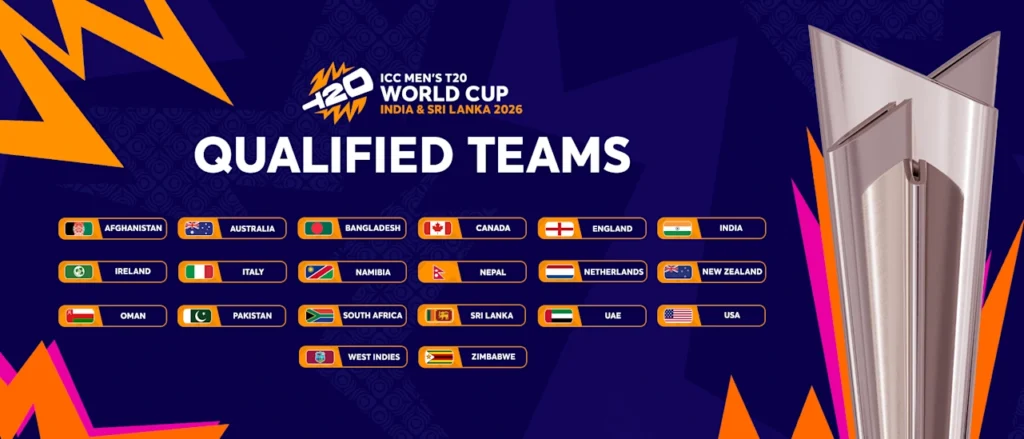
T20 Cricket World Cup Winners
Year Host Winner Runner-Up
2007 South Africa India Pakistan
2009 England Pakistan Sri Lanka
2010 West Indies England Australia
2012 Sri Lanka West Indies Sri Lanka
2014 Bangladesh Sri Lanka India
2016 India West Indies England
2021 UAE Australia New Zealand
2022 Australia England Pakistan
2024 USA/West Indies India South Africa
Why T20 Became So Popular in India
Television Revolution
Television broadcasting transformed T20 cricket consumption in India through high-quality production values and strategic scheduling that captured prime-time audiences. The 2007 World Cup victory coincided with India’s television boom, as cable and satellite penetration expanded beyond metropolitan areas to smaller cities and rural regions. Broadcasters invested in Hindi commentary alongside English feeds, making cricket accessible to linguistic diverse populations across northern and central India.
Multiple camera angles, ultra-motion replays, and graphical analysis enhanced viewer understanding of cricket’s nuances while maintaining entertainment value. Prime-time evening matches aligned perfectly with Indian family viewing habits, enabling working professionals and students to watch complete matches after returning home.
Advertising revenues skyrocketed as brands recognized T20’s ability to deliver concentrated viewer attention across three-hour windows. The Indian Premier League’s launch in 2008 revolutionized cricket broadcasting through innovative production techniques including stump microphones, player interviews during innings breaks, and boundary-side camera positions that brought viewers closer to action than ever before.
Youth Engagement
T20 cricket captured India’s youth demographic through its alignment with modern entertainment preferences and shortened attention spans characteristic of digital-native generations. Young Indians embraced the format’s fast pace, aggressive batting, and celebrity culture surrounding T20 stars who became lifestyle icons beyond cricket. School and college students organized T20 tournaments using modified rules, replicating professional experiences in local grounds across urban and rural India.
Gaming companies capitalized on T20’s popularity through mobile games and fantasy sports platforms that engaged youth in cricket beyond passive viewing. Social media discussions around T20 matches created community experiences where young fans analyzed performances, shared memes, and debated selections with global audiences. Youth-oriented marketing campaigns featured T20 cricketers endorsing products from soft drinks to smartphones, embedding cricket within broader youth culture.
The format’s emphasis on athletic fielding and innovative shot-making inspired young cricketers to develop skills aligned with modern fitness standards rather than traditional technique alone.
Urban Audience Appeal
India’s rapidly urbanizing population found T20 cricket perfectly suited to metropolitan lifestyles characterized by limited leisure time and preference for packaged entertainment. City professionals working extended hours appreciated three-hour matches that delivered complete entertainment without requiring full-day commitments. Urban multiplex culture influenced stadium experiences, with T20 matches offering similar social outings combining cricket, dining, and socializing within single evenings.
Metropolitan cities hosted franchise teams in purpose-built stadiums accessible through developing public transport networks, enabling convenient attendance for working populations. Corporate hospitality at T20 matches became standard business practice, with companies entertaining clients and rewarding employees through premium match experiences. The format’s compatibility with urban nightlife saw matches scheduled during evening hours, allowing spectators to combine cricket viewing with dinner and post-match socializing in entertainment districts surrounding stadiums.
Digital Streaming Growth
Digital streaming platforms revolutionized T20 cricket consumption in India by making matches accessible on mobile devices anytime, anywhere across the country. The proliferation of affordable smartphones and cheap data plans following Jio’s 2016 launch enabled cricket viewing among demographics previously unable to afford television subscriptions.
Streaming platforms offered multilingual commentary options catering to India’s linguistic diversity, with feeds available in Tamil, Telugu, Kannada, Bengali, and Marathi alongside Hindi and English. Interactive features including live polls, statistics, and multiple camera angles enhanced viewer engagement beyond passive television watching. Second-screen experiences allowed fans to stream matches on phones while simultaneously discussing action on social media platforms, creating integrated entertainment ecosystems.
Streaming platforms’ ability to serve targeted advertisements enabled more relevant commercial messaging while generating revenue that funded continued broadcast rights investments. Youth audiences increasingly preferred streaming over traditional television, controlling their viewing experience through pause, rewind, and multiple device options unavailable through conventional broadcast.
Stadium Atmosphere
T20 cricket transformed Indian stadiums from sedate sporting venues into vibrant entertainment destinations featuring music, fireworks, and celebrity appearances alongside athletic competition. Stadium experience designers incorporated elements from concerts and festivals, creating immersive environments where cricket became part of broader entertainment packages.
Cheerleaders, mascots, and fan interaction segments during innings breaks maintained energy levels throughout matches, preventing attention lapses between action periods. Strategic placement of food and beverage outlets ensured spectators could refresh without missing critical match moments, enhancing overall satisfaction. Family-friendly atmospheres encouraged women and children attendance, expanding cricket’s demographic reach beyond traditional male-dominated audiences.
Stadium music systems played popular Bollywood tracks between overs, connecting cricket with mainstream entertainment culture. Pyrotechnic displays celebrated boundaries and wickets, creating visual spectacles that enhanced live viewing while photographing well for social media sharing. Franchise teams developed loyal fan bases through merchandise, fan clubs, and stadium traditions that transformed casual attendees into committed supporters attending multiple matches each season.
T20 Rules Explained in Simple Terms
Overs Structure
T20 cricket operates on a straightforward over structure where each team bats for one innings limited to twenty legal deliveries. An over consists of six consecutive deliveries bowled from one end, after which the bowling end changes and a different over begins from the opposite end. Bowlers may bowl maximum four overs per innings, ensuring varied attack throughout the match while preventing over-reliance on single bowling talents. The twenty-over limit creates natural match progression divided into powerplay, middle overs, and death overs phases, each requiring distinct strategic approaches.
Teams must complete their twenty overs within seventy-five minutes, with penalties for slow over rates including fielding restrictions and fines for captains. The limited over structure forces aggressive batting from first ball, as batsmen cannot afford dot balls consuming valuable deliveries without scoring. Teams batting second chase targets based on runs required against remaining overs, creating dynamic calculations that evolve throughout innings.
Powerplay Rules
Powerplay overs represent cricket’s most significant fielding restriction period, designed to favor batting through limited defensive fielding options. The first six overs of each innings constitute mandatory powerplay, during which only two fielders may position outside the thirty-yard circle. This restriction opens large areas of ground for batsmen to score boundaries through gaps otherwise covered by fielders.
Fielding captains must balance attacking field placements seeking wickets against defensive positioning preventing boundaries during this scoring-friendly phase. Batting teams prioritize powerplay scoring through aggressive stroke play, recognizing that fielding restrictions provide optimal boundary opportunities. The powerplay’s conclusion after six overs allows up to five fielders outside the circle, enabling captains to set more defensive fields that protect boundaries while building pressure through dot balls.
Fielding Restrictions
Fielding restrictions in T20 cricket balance batting advantage with bowling opportunities through graduated positioning rules across innings phases. During non-powerplay overs, captains may position maximum five fielders outside the thirty-yard circle, enabling defensive field settings that protect boundaries while creating catching positions. Additional restrictions limit fielders on leg side to maximum five at any time, preventing negative bowling lines targeting single areas.
Close catching positions require specific field placements including slip fielders for pace bowling and short leg for spin, though T20’s pace rarely allows sustained close fielding. Fielding circles defined by painted thirty-yard radius ensure consistent application across all venues, with umpires monitoring positions throughout innings. Teams must maintain minimum four fielders inside circle during non-powerplay overs, preventing excessively defensive configurations that would eliminate scoring opportunities.
Super Over Rules
Super Over rules determine match outcomes when regulation play ends with scores tied, providing decisive results through one-over eliminator. Each team selects three batsmen and one bowler to contest a single over comprising six legal deliveries bowled from one end. The team batting second in regulation innings bats first in Super Over, with their total becoming target for opposing team. If Super Over also ties, subsequent Super Overs continue until one team scores more runs than other within their over.
Batsmen who were not dismissed or retired during regulation may bat in Super Over, with teams nominating participants before contest begins. Two wickets ending Super Over innings prematurely, with team batting second winning immediately if achieving target with wickets remaining. Super Overs add dramatic conclusion to tied matches, delivering decisive results while maintaining T20’s commitment to completed entertainment within reasonable timeframes.
DRS in T20
Decision Review System in T20 cricket provides teams with opportunity to challenge on-field umpire decisions through technology-assisted reviews. Each team receives one unsuccessful review per innings, encouraging strategic challenge selection rather than speculative referrals. Players may challenge both dismissals and not-out decisions, with reviews conducted using ball-tracking technology, ultra-edge audio detection, and high-speed camera analysis.
The review process must complete within seventy-five seconds of decision challenge, ensuring minimal match interruption while maintaining accuracy standards. Umpire’s call remains significant factor in LBW decisions where ball-tracking shows marginal uncertainty, preserving on-field umpire authority while correcting clear errors. Teams increasingly employ data analysts reviewing real-time feeds to identify potential review opportunities, though captain and bowler consultation ultimately determines challenge decisions.
Difference Between T20, ODI and Test Cricket
Feature T20 ODI Test
Overs 20 per innings 50 per innings Unlimited overs, minimum 90 per day
Duration Approximately 3 hours Approximately 8 hours 5 days, 7.5 hours play daily
Strategy Aggressive batting, varied bowling Balanced approach between aggression and conservation Technical excellence, patience, endurance
Scoring Rate 8-10 runs per over 5-6 runs per over 3-4 runs per over
Fielding Restrictions Powerplay 6 overs Powerplay 10 overs No restrictions except laws
Player Workload Maximum 4 overs per bowler Maximum 10 overs per bowler Unlimited overs per bowler
Result Mechanism Winner determined within single day Winner determined within single day Draw possible after five days
Audience Appeal High entertainment, quick result Family entertainment, day-long commitment Traditional cricket enthusiasts
Global Participation 150+ nations 100+ nations 12 full member nations
Structure of a T20 Match
Toss Importance
The toss in T20 cricket carries strategic significance exceeding traditional formats due to format-specific advantages favoring teams batting or bowling second under varying conditions. Captains winning toss must assess pitch conditions, weather forecasts, dew predictions, and team strengths before deciding whether to bat or bowl first. Teams preferring to chase often choose bowling first when conditions suggest batting becomes easier under lights due to dew reducing bowling effectiveness.
Conversely, teams with strong batting lineups may bat first on fresh pitches offering true bounce and carry, aiming to post imposing totals that pressure chasing teams. Historical data across T20 leagues shows chasing teams winning approximately fifty-five percent of matches, though this varies significantly by venue and season conditions.
Toss decisions increasingly incorporate detailed analytics including venue-specific win percentages, player matchup advantages, and opposition bowling strengths in different phases. Captains must also consider psychological factors, as teams chasing targets maintain clear run-rate calculations while fielding captains defend totals without knowing required scoring rates.
Batting Phases
Batting innings in T20 cricket naturally divides into three distinct phases requiring different approaches and skill sets for optimal scoring. The powerplay phase spanning overs one through six prioritizes aggressive boundary hitting while minimizing wicket risk, as fielding restrictions open scoring opportunities through gaps. Batsmen during this phase focus on identifying scoring areas through line and length assessment, targeting specific bowlers while rotating strike to maintain scoring momentum.
The middle phase covering overs seven through fifteen requires balanced approach between consolidation and acceleration, with batsmen assessing pitch behavior and bowling changes while building platform for final assault. Experienced batsmen during middle overs rotate strike effectively, punishing loose deliveries while respecting good bowling through defensive strokes.
The death phase occupying overs sixteen through twenty demands maximum acceleration regardless of wicket risk, with batsmen targeting specific overs and bowlers for heavy scoring. Specialist finishers during death overs employ range of innovative shots including scoops, slogs, and inside-out drives over extra cover to access all boundary areas.
Bowling Phases
Bowling attacks structure their twenty overs across phases matching batting progression, deploying specialist bowlers during periods maximizing their effectiveness. Powerplay bowling emphasizes wicket-taking through swing, seam movement, and aggressive lines challenging batsmen’s defense while runs conceded remain secondary consideration.
Opening bowlers typically deliver two overs in powerplay, with captains retaining remaining overs for middle or death phases based on matchup advantages. Middle overs bowling focuses on containment through accurate spin and cutters, building pressure through dot balls while preventing boundary scoring opportunities. Spin bowlers during middle overs vary pace and trajectory, targeting specific batsmen weaknesses while maintaining economy rates below eight runs per over.
Death overs bowling requires specialist skills including yorker execution, slower ball variations, and precise length control minimizing scoring opportunities while batsmen attack aggressively. Death bowlers must maintain composure under pressure, executing planned deliveries despite batsmen aggression and crowd atmosphere.
Death Overs
Death overs represent cricket’s most intense phase, where matches typically decided through batting aggression meeting bowling execution under maximum pressure. The final five overs witness scoring rates exceeding twelve runs per over, with batsmen attempting boundaries from virtually every delivery while bowlers employ every variation preventing easy scoring.
Batsmen during death overs target specific bowlers and areas, analyzing field placements and boundary dimensions to maximize scoring probability. Wide yorkers, slower bouncers, and change-of-pace deliveries challenge batsmen’s timing, forcing mistimed shots that risk dismissal while preventing clean boundary hitting. Fielding captains position boundary riders defending straight boundaries while protecting gaps through strategic placement of athletic fielders in scoring zones.
Death overs execution separates championship-contending teams from average sides, as ability to score or defend under pressure determines match outcomes regardless of earlier performance. Specialist death bowlers develop unique skill sets through practice and match experience, mastering yorker accuracy at will while varying pace without telegraphing changes.
Match Tempo
T20 match tempo fluctuates dramatically across innings, creating dynamic viewing experience where momentum shifts occur rapidly through individual performances. Early overs typically establish baseline tempo through boundary hitting and wicket events, with scoring rates averaging eight to ten runs per over while occasional wickets disrupt batting momentum.
Middle overs often witness controlled tempo as teams consolidate positions, though aggressive batting can accelerate scoring through targeted bowling attacks. Death overs tempo peaks at maximum intensity, with every delivery carrying potential match-winning or losing significance regardless of previous events. Fielding innings tempo mirrors batting progression, with early over aggression seeking wickets, middle over containment building pressure, and death over execution determining final outcome.
Viewers experience tempo through scoring rate fluctuations, wicket intervals, and pressure moments building throughout match progression. Successful teams maintain tempo awareness, adapting strategies to current match situation rather than predetermined plans ignoring dynamic conditions.
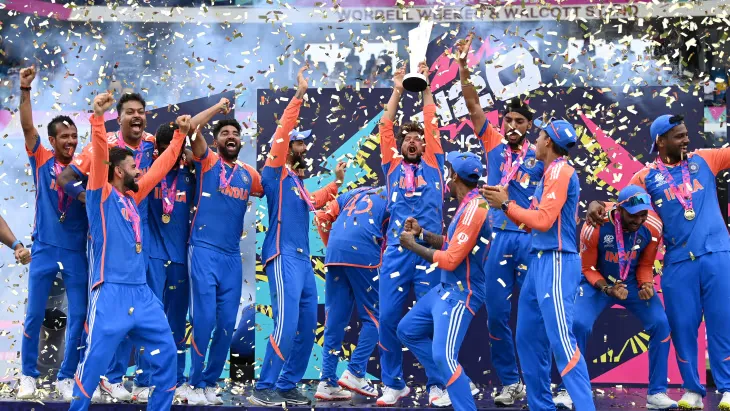
India’s Journey in T20 Cricket World Cup
2007 Win
India’s historic 2007 T20 World Cup victory transformed cricket’s global landscape while launching careers of future legends under youthful captain Mahendra Singh Dhoni. The young Indian squad entered tournament as relative unknowns, with senior players resting after ODI World Cup disappointment months earlier. Group stage matches against Pakistan and Scotland established India’s competitive credentials, though few predicted championship success against more experienced opponents.
The bowl-out victory against Pakistan in group stage introduced cricket audiences to novel tie-breaking method while building psychological advantage over arch-rivals. Semi-final victory against Australia demonstrated India’s ability to compete with defending champions through disciplined bowling and calculated batting under pressure. Final against Pakistan produced cricket’s most memorable finish, with India defending low total through Joginder Sharma’s decisive final over dismissing Misbah-ul-Haq attempting ill-advised scoop shot.
The victory triggered nationwide celebrations exceeding any previous sporting achievement, with players returning home as national heroes whose influence would shape Indian cricket for decades. India’s triumph demonstrated that T20 success required different skills than traditional formats, favoring innovation and fearlessness over classical technique and experience.
Major Semi-Final Appearances
India’s T20 World Cup history features multiple semi-final appearances reflecting consistent competitiveness despite occasional early tournament exits. The 2009 campaign ended disappointingly with group stage exit, failing to defend championship title against improved opposition. 2010 tournament saw India reach Super Eight stage before elimination, struggling to adapt to Caribbean conditions affecting batting performance.
The 2012 edition witnessed India’s return to semi-finals before losing to Australia in close contest, with batting collapse undermining strong tournament performance. 2014 final appearance against Sri Lanka ended in defeat, with India struggling to chase modest target as batting lineup failed under pressure. The 2016 semi-final loss to West Indies in Mumbai broke Indian hearts as home tournament ended prematurely despite strong performances throughout. 2021 campaign disappointed with group stage exit, failing to adapt to UAE conditions while other teams executed better strategies.
The 2022 semi-final appearance ended against England, with India’s batting struggling against quality pace attack under pressure. 2024 championship victory against South Africa redeemed previous near-misses, with India finally securing second title through balanced team performance and clinical execution under pressure.
Key Players
India’s T20 World Cup journey features legendary performers whose contributions shaped tournament history across multiple editions. Yuvraj Singh’s six sixes in an over against England during 2007 tournament remains cricket’s most celebrated T20 moment, demonstrating power-hitting possibilities previously unimaginable. Mahendra Singh Dhoni’s captaincy throughout multiple tournaments established tactical template for T20 leadership, emphasizing calmness under pressure and innovative field placements.
Virat Kohli’s consistent tournament performances including 2014 Player of Tournament award demonstrated classical technique’s adaptability to T20 cricket through intelligent strike rotation and chase mastery. Jasprit Bumrah’s death bowling revolution through 2016-2024 period established new standards for T20 execution, with yorker accuracy and variation control unmatched globally.
Ravindra Jadeja’s all-round contributions across multiple tournaments provided balance through athletic fielding, economical bowling, and explosive lower-order batting. Rohit Sharma’s three T20 centuries demonstrate batting longevity across format, with ability to accelerate through gears according to match requirements.
Hardik Pandya’s emergence as finishing all-rounder provided solutions India previously lacked, combining six-hitting power with useful medium pace bowling. These players represent generations of Indian cricketers whose T20 development paralleled format evolution, each contributing unique skills to national team success.
Performance Trends
India’s T20 World Cup performance trends reveal patterns of batting dominance occasionally undermined by bowling inconsistency and pressure handling challenges. Batting statistics consistently rank among tournament leaders, with Indian batsmen featuring prominently in run-scoring charts across most editions. Powerplay scoring rates exceed tournament averages, reflecting aggressive intent and technical ability against new-ball bowling.
Middle-over consolidation demonstrates batting depth through multiple match-winning partnerships under varying conditions. Death overs acceleration occasionally falters against quality bowling, with lower-order finishing inconsistent across tournament pressure situations. Bowling performance trends show greater variability, with Indian attacks succeeding when conditions favor spin but struggling on pace-friendly surfaces. Powerplay wicket-taking remains area for improvement, with new-ball bowlers occasionally failing to capitalize on early movement.
Middle-over containment through spin provides consistent control, with wrist spinners and finger spinners combining effectively across tournament phases. Death overs execution improved significantly with Bumrah’s emergence, though supporting bowlers occasionally concede crucial runs under pressure. Fielding standards elevated dramatically across tournament history, with Indian teams now matching global athletic standards through improved fitness and practice.
Strengths and Weaknesses
India’s T20 cricket strengths center on batting depth, spin bowling quality, and home condition expertise developed through extensive IPL experience across diverse venues. Batting lineup features multiple match-winners capable of anchoring innings or accelerating according to situation requirements. Top-order stability provided through multiple quality options ensures consistent platform establishment regardless of early wicket losses.
Spin bowling arsenal including wrist spin, finger spin, and left-arm orthodox provides captain with varied options exploiting pitch deterioration across innings phases. Middle-order finishing improved through Hardik Pandya’s development, addressing historical weakness in lower-order acceleration. Home advantage significant during India-hosted tournaments through familiar conditions, crowd support, and extensive venue experience. Weaknesses include pace bowling inconsistency beyond Jasprit Bumrah, with supporting fast bowlers occasionally expensive under pressure.
Death overs execution beyond lead bowler remains concern, with opposition teams targeting non-specialist bowlers during crucial phases. Pressure handling in knockout matches historically problematic, with batting collapses occurring during high-stakes situations against quality bowling. Fielding while improved still lags behind top international standards, with occasional dropped catches proving costly in tight matches.
Top Records in T20 Cricket
Highest Individual Scores
T20 cricket’s highest individual scores demonstrate batting dominance possible within twenty-over framework when batsmen combine power with consistency. Afghanistan’s Hazratullah Zazai holds Afghanistan Premier League record with 162 not out from 62 balls, striking sixteen sixes in extraordinary display of power hitting. Chris Gayle’s 175 not out for Royal Challengers Bangalore against Pune Warriors remains IPL benchmark, with thirteen sixes demonstrating West Indian’s T20 mastery.
Australia’s Aaron Finch scored 172 against Zimbabwe in international T20, combining classical strokes with innovative shots across Harare Sports Club ground. Brendon McCullum’s 158 not out in IPL’s inaugural match established tournament’s explosive credentials, with eighteen fours and ten sixes thrilling Chennai crowd. Indian records feature Rohit Sharma’s 118 against Sri Lanka, demonstrating captain’s ability to accelerate through gears while maintaining strike rotation. These innings required combination of power, placement, and endurance rarely sustained across full twenty overs, representing batting peak performances.
Fastest Fifties
T20 fastest fifties showcase batting aggression reaching maximum intensity from first delivery faced under any match situation. Yuvraj Singh’s twelve-ball fifty against England during 2007 World Cup remains benchmark, achieved through six consecutive sixes in famous Stuart Broad over. West Indies’ Kieron Pollard reached fifty from thirteen balls for Adelaide Strikers, demonstrating Caribbean power-hitting at its most destructive.
India’s KL Rahul scored fifty from fourteen balls against Delhi Daredevils, combining classical shots with innovative stroke play. Rishabh Pant’s fifteen-ball fifty against Hyderabad featured six sixes and four boundaries, showcasing young wicket-keeper’s T20 temperament. Afghanistan’s Mohammad Shahzad reached fifty from sixteen balls against Zimbabwe, proving associate nation batsmen match established stars for aggression. Fastest fifties typically feature six-hitting dominance with minimal dot balls, requiring batsmen to attack from first ball while maintaining strike rates exceeding three hundred.
Best Bowling Figures
T20 best bowling figures demonstrate bowlers’ ability to dominate through wicket-taking while maintaining economy against aggressive batting. Sri Lanka’s Ajantha Mendis claimed six for eight against Zimbabwe, confusing batsmen through unreadable variations and carrom ball deliveries.
Australia’s Adam Zampa recorded six for nineteen against Pune Warriors, exploiting spin-friendly conditions through flight and turn. West Indies’ Samuel Badree achieved six for eight against Bangladesh, combining accuracy with subtle variations defeating defensive strokes. India’s Deepak Chahar took six for seven against Bangladesh, moving ball both ways through swing at pace while maintaining challenging lengths.
Pakistan’s Umar Gul claimed five for six against New Zealand, exploiting early movement through precise line and length control. Best bowling figures require favorable conditions combined with batsmen errors, though consistent wicket-taking demands skill exceeding pitch assistance. Death overs specialists claim wickets through yorkers and variations, while spinners exploit turn and flight during middle overs.
Most Wickets
T20 international wicket records reflect sustained excellence across multiple seasons and conditions against varied opposition. Afghanistan’s Rashid Khan leads wicket charts through leg-spin mastery combining googlies, flippers, and top-spinners delivered with slingy action confusing batsmen.
Pakistan’s Shahid Afridi accumulated wickets across decade-plus career through attacking leg-spin and clever variations exploiting aggressive batsmen. Bangladesh’s Shakib Al Hasan ranks among leading wicket-takers through left-arm orthodox consistency and ability to bowl during any phase. West Indies’ Dwayne Bravo perfected slower-ball variations and yorkers during death overs, claiming crucial wickets through deception rather than pace. Sri Lanka’s Lasith Malinga pioneered yorker-dominated T20 bowling through slingy action delivering toe-crushing deliveries under pressure.
India’s Jasprit Bumrah climbed wicket charts through execution excellence combining yorkers, slower balls, and bouncers with minimal telegraphing. Leading wicket-takers combine wicket-taking ability with economy control, preventing batsmen from scoring freely while maintaining dismissal threat throughout spells.
Highest Team Totals
T20 highest team totals demonstrate collective batting dominance when multiple batsmen contribute aggressive innings within same match. Nepal’s 314 for three against Mongolia represents cricket’s highest T20 total, achieved through sustained aggression against weaker opposition.
Afghanistan’s 278 for three against Ireland featured multiple batsmen contributing rapid innings on flat Dublin pitch. Australia’s 263 for three against Sri Lanka demonstrated top-order dominance through Warner and Finch partnership destroying bowling attack. India’s 260 for five against Sri Lanka featured record-breaking batting at Greenfield International Stadium, with multiple fifty-plus contributions.
West Indies’ 258 for three against South Africa showcased Caribbean power-hitting at most destructive, with boundaries flowing throughout innings. Highest totals typically achieved on flat pitches with short boundaries against weakened bowling attacks, though batting execution remains essential regardless of conditions. Teams posting such totals bat aggressively throughout innings without consolidation phases, targeting every bowler through calculated risk-taking.
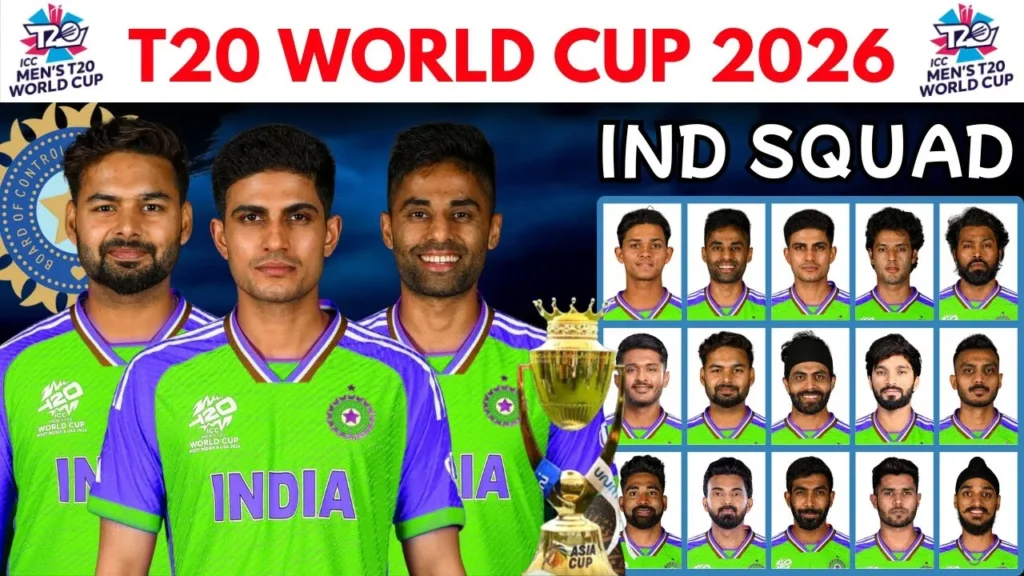
Greatest Players in T20 Format
Batting Legends
T20 cricket’s batting legends revolutionized shot-making possibilities through innovations expanding run-scoring options beyond traditional cricket boundaries. Chris Gayle transformed power-hitting through combination of immense strength and classical timing, clearing boundaries with minimal apparent effort while maintaining strike rotation intelligence.
Virat Kohli demonstrated classical technique’s T20 viability through chase mastery and strike rotation, proving batsmen need not sacrifice elegance for aggression. AB de Villiers invented 360-degree batting through wrist work accessing all field areas, making previously impossible shots routine through innovation and practice. David Warner combined explosive power with technical soundness, dominating powerplays while maintaining consistency across T20 leagues worldwide.
Babar Azam exemplifies elegance meeting efficiency, accumulating runs through classical strokes while maintaining strike rates matching power-hitters. These legends influenced generations through demonstrated possibilities, expanding cricket’s batting vocabulary through match-winning performances under pressure.
All-Rounders
T20 all-rounders provide cricket’s most valuable commodities through ability contributing significantly with both bat and ball within same match. Afghanistan’s Rashid Khan transforms matches through leg-spin wicket-taking and aggressive lower-order batting capable of winning games from difficult positions. Bangladesh’s Shakib Al Hasan accumulated runs and wickets across decade-plus career through left-handed batting intelligence and left-arm orthodox consistency. West Indies’ Andre Russell dominates through power-hitting finishing and express pace bowling, though fitness occasionally limits sustained availability.
India’s Hardik Pandya evolved from bits-and-pieces player to genuine match-winner through improved consistency and situational awareness. England’s Ben Stokes combines aggressive batting with useful pace bowling and exceptional fielding, though T20 career interrupted by multi-format commitments. Australia’s Glenn Maxwell confuses through unorthodox batting and off-spin variations, though consistency challenges occasionally limit effectiveness. Elite all-rounders provide team balance through dual contributions enabling flexible combinations and tactical options unavailable to teams lacking such versatility.
Death-Over Specialists
Death-over specialists developed unique skill sets enabling effective bowling during cricket’s most challenging phase when batsmen attack every delivery. Sri Lanka’s Lasith Malinga pioneered yorker-dominated death bowling through slingy action delivering toe-crushers with minimal telegraphing while varying pace effectively. India’s Jasprit Bumrah refined death bowling through hyperextension generating awkward angles and bounce, combining yorkers, slower balls, and bouncers unpredictably.
West Indies’ Dwayne Bravo mastered slower-ball variations through change-of-pace executed with identical actions, deceiving batsmen through pace variations rather than line changes. Pakistan’s Wahab Riaz combined left-arm angle with express pace and aggressive attitude, though consistency occasionally undermined effectiveness. Australia’s Pat Cummins developed death bowling through intelligent variations and precise length control, though primarily known for Test excellence.
South Africa’s Kagiso Rabada applies pace pressure through consistent 145 kph deliveries, though death-over skills continue developing through experience. Specialist death bowlers require mental strength exceeding physical skills, executing planned deliveries despite batsmen aggression and crowd atmosphere.
Modern Power Hitters
Modern power hitters revolutionized T20 batting through ability clearing boundaries from any delivery length while maintaining strike rates exceeding one-fifty consistently. England’s Jos Buttler combines classical technique with power-hitting innovation, accessing all areas through 360-degree shot-making developed through years of practice. West Indies’ Nicholas Pooran dominates through clean six-hitting ability against pace and spin, though consistency against quality bowling occasionally varies. Australia’s Glenn Maxwell confuses bowlers through unorthodox shot selection combined with power capable clearing longest boundaries.
India’s Suryakumar Yadav expanded batting possibilities through innovative shots accessing previously undefendable areas, particularly against spin bowling. South Africa’s David Miller accumulated match-winning performances through power-hitting consistency, though strike rotation occasionally limits acceleration. Afghanistan’s Hazratullah Zazai demonstrated associate nation power-hitting matching established stars through clean striking and fearless approach. Power hitters evolved from sloggers to skilled innovators combining placement intelligence with boundary-hitting ability, maximizing scoring probability through data-informed aggression.
How T20 Changed Modern Cricket
Fitness Standards
T20 cricket revolutionized fitness standards across all formats through demands for athletic fielding, rapid running between wickets, and sustained intensity throughout matches. Players entering professional cricket now maintain year-round fitness regimes previously reserved for elite athletes, recognizing T20’s premium on agility and endurance.
Fielding standards elevated dramatically through T20’s emphasis on saving boundaries and creating run-out opportunities, with players performing acrobatic stops previously considered exceptional becoming routine expectations. Running between wickets transformed from jogging between overs to sprinting every run, with batsmen converting singles into twos through quick calling and sharp turns.
Bowling fitness requires sustained intensity through four-over spells while maintaining pace and accuracy despite fatigue. Training methodologies evolved from cricket-specific skills to comprehensive athletic development including strength conditioning, flexibility work, and recovery protocols. Nutrition science integration enables players maintaining optimal body composition while meeting energy demands through tournament schedules. Fitness monitoring through wearable technology provides real-time workload data, preventing injuries while maximizing performance through evidence-based training adjustments.
Batting Innovation
T20 batting innovation expanded cricket’s stroke vocabulary through shots previously considered unorthodox becoming standard weapons in professional arsenals. Reverse sweep transformed from desperation shot to calculated scoring option, with batsmen practicing against spin bowling from both right and left-handed stances. Scoop shots over wicket-keeper’s head accessed boundary areas previously undefendable, particularly effective against pace bowling targeting yorker lengths.
Switch hitting where batsmen change stance during delivery confused bowlers and field placements, though laws regulate permissible timing of stance changes. Inside-out drives over extra cover exploited gaps created through aggressive field placements, punishing bowlers targeting off-stump lines. Ramp shots over short third man accessed boundary through innovative bat angles, particularly effective against short-pitched deliveries. Batting innovation accelerated through video analysis identifying scoring opportunities against specific bowling types and field placements.
Net practice now includes simulation scenarios where batsmen practice specific shots against bowling machines replicating match conditions and required scoring rates.
Reverse Sweeps and Switch Hits
Reverse sweeps and switch hits represent batting’s most visible innovations, confusing bowlers and fielders while accessing previously undefendable boundary areas. Reverse sweep execution requires batsmen pivoting on back foot while presenting bat reverse face to delivery, redirecting ball through vacant off-side areas behind square. Switch hitting involves batsmen changing from right-handed to left-handed stance before delivery, forcing field adjustments while creating new scoring options against particular bowling types.
Legal requirements mandate batsmen establish stance before bowler enters delivery stride, preventing late changes unfairly disadvantaging fielding side. Kevin Pietersen popularized switch hitting through international cricket, demonstrating effectiveness against off-spin bowling targeting right-handers’ weaknesses. England’s Jos Buttler expanded switch hitting through regular practice, executing against pace and spin with equal facility. Bowling attacks responded through yorkers targeting stumps regardless of stance, though switch hitting remains effective scoring option for batsmen mastering technique through extensive practice.
Match Analytics
T20 cricket pioneered cricket analytics through data-driven decision-making affecting every aspect from team selection to in-game tactics. Ball-by-ball data tracking generates comprehensive datasets enabling detailed analysis of player performance across conditions, opposition types, and match situations. Venue analytics identify optimal strategies for specific grounds based on historical scoring patterns, boundary dimensions, and pitch behavior.
Matchup data reveals batter weaknesses against specific bowling types, enabling captains positioning bowlers optimally throughout innings. Pressure metrics quantify performance under specific match situations, identifying players excelling during death overs or chase scenarios. Win probability models calculate real-time match expectations based on historical data, though cricket’s variability limits predictive certainty.
Analytics integration transformed coaching from experience-based guidance to evidence-informed decision-making, though human judgment remains essential interpreting data within match contexts. Teams employing advanced analytics gain competitive advantages through information exploitation, though data accessibility increasingly equalizes across professional cricket.
Data-Driven Strategy
Data-driven strategy transformed T20 cricket through systematic analysis informing decisions previously based on intuition and experience alone. Team selection now incorporates matchup data ensuring optimal player combinations against specific opposition strengths and weaknesses. Batting orders adjust according to opposition bowling analysis, with players positioned facing favorable matchups during powerplay and middle overs.
Bowling changes reflect data identifying batter vulnerabilities against particular deliveries, with captains positioning bowlers during optimal phases. Field placements optimized through boundary probability analysis, positioning fielders where batsmen typically score while leaving gaps where scoring probability low. Target setting during chases guided by data indicating required scoring rates while maintaining wicket preservation for death overs acceleration. Post-match analysis identifies execution gaps versus planned strategies, enabling continuous improvement through evidence-based adjustments.
Data-driven approaches complement rather than replace cricket judgment, with successful teams balancing analytical insights with contextual understanding and player intuition.
Economic Impact of T20 in India
Broadcasting Rights
Broadcasting rights for T20 cricket in India generated unprecedented revenue streams transforming cricket’s financial landscape through competitive bidding among media conglomerates. The Indian Premier League’s media rights sold for forty-eight thousand crore rupees across five-year cycle commencing 2023, reflecting T20’s unmatched viewer engagement and commercial value.
Television networks compete fiercely for rights packages enabling live match broadcast across Star Sports network reaching hundreds of millions households through cable and satellite distribution. Digital streaming rights commanded premium valuations through Viacom18’s successful bids, recognizing mobile-first consumption patterns among younger demographics. Regional language broadcast rights generate additional value through dedicated feeds serving linguistic diverse populations across southern and eastern states. Radio rights provide supplementary revenue through audio commentary reaching audiences during travel and work hours.
International broadcast rights extend Indian T20 cricket’s global reach, with matches viewed across subcontinent diaspora and cricket-playing nations worldwide. Rights values compound through tournament expansion, with additional matches increasing inventory available for broadcast scheduling and advertising placement.
Sponsorship Growth
Sponsorship growth accompanying T20 cricket transformed Indian sports marketing through brands recognizing unparalleled engagement opportunities with mass audiences. Title sponsorship of IPL tournaments commands hundreds of crore rupees annually, with Tata Group securing rights through competitive bidding reflecting property value. Team sponsorships generate additional revenue streams through jersey branding, stadium signage, and player endorsement arrangements across franchise networks.
Category exclusivity agreements ensure sponsors dominate specific product segments without competitor presence within tournament environments. Digital sponsorship extends brand presence through streaming platforms, social media integration, and fantasy gaming partnerships engaging younger demographics.
Associate sponsors participate through tiered arrangements providing exposure across broadcast segments, stadium appearances, and digital properties. Sponsorship valuations compound through tournament growth, with expanding reach and engagement justifying premium pricing across categories. Return on investment analyses demonstrate T20 sponsorship effectiveness through brand recall metrics, purchase intent measurement, and social media engagement tracking.
Stadium Revenue
Stadium revenue from T20 matches generates significant economic activity through ticket sales, hospitality services, and match-day spending across host venues. Ticket pricing strategies maximize revenue through dynamic pricing adjusting according to opponent popularity, match significance, and seat categories. Premium hospitality including corporate boxes and VIP lounges commands premium pricing through exclusive experiences including dining, parking, and celebrity interactions. Concessions revenue through food and beverage sales contributes substantial match-day income, with stadiums offering diverse cuisines appealing to family audiences.
Merchandise sales generate additional revenue through team jerseys, caps, and souvenirs purchased by fans commemorating match attendance. Parking revenue adds significant income through vehicle fees collected at stadium-adjacent facilities during match days. Local economic impact extends beyond stadium revenue through hotel bookings, restaurant visits, and transportation services utilized by traveling fans. Stadium development projects stimulated by T20 revenue created modern facilities hosting multiple events beyond cricket, maximizing public infrastructure investment returns.
Digital Media Explosion
Digital media explosion surrounding T20 cricket created new content categories and engagement platforms reaching audiences beyond traditional broadcast distribution. Social media platforms host real-time match discussions, player interactions, and highlight distribution reaching millions through algorithmic content discovery. YouTube channels dedicated T20 content including match highlights, analysis shows, and player interviews generating advertising revenue through sustained viewership.
Fantasy gaming platforms engage fans through team selection competitions, driving daily engagement throughout tournament seasons. Mobile applications provide live scores, notifications, and exclusive content directly to user devices, maintaining engagement between matches and tournaments. Podcast networks produce extensive T20 content ranging from tactical analysis to player interviews, serving audio-first audiences preferring long-form discussion.
Content creators including influencers and analysts build personal brands through T20 commentary, reaching niche audiences through specialized perspective and engagement. Digital media transformation enabled cricket consumption beyond live matches, creating year-round engagement sustaining fan interest throughout calendar.
Role of Technology in T20
Hawk-Eye
Hawk-Eye technology revolutionized T20 cricket through ball-tracking capabilities enabling LBW decisions, predictive analysis, and broadcast enhancement across global matches. Multiple high-speed cameras positioned around stadium track ball trajectory from bowler release to predicted impact with stumps and batsman. Ball-tracking algorithms calculate predicted path accounting for bounce, swing, and seam movement based on observed initial trajectory and historical pitch behavior.
Umpires utilize Hawk-Eye during DRS reviews confirming or overturning on-field LBW decisions through evidence-based ball projection. Broadcasters employ Hawk-Eye graphics illustrating ball trajectory during analysis segments, enhancing viewer understanding of bowling quality and batting errors. Player analysis utilizes Hawk-Eye data identifying bowling release points, speed variations, and length consistency across match phases. Venue analysis through aggregated Hawk-Eye data reveals pitch behavior patterns informing strategic decisions for upcoming matches.
Technology accuracy exceeding ninety-nine percent provides confidence in decision-making while continuous refinement improves prediction reliability across diverse conditions.
UltraEdge
UltraEdge technology provides definitive edge detection through sensitive audio sensors detecting faint contact between bat and ball during dismissal reviews. Microphones positioned within stumps capture audio frequencies across full spectrum, identifying bat-ball contact sounds inaudible to human ears. Waveform analysis displays audio spikes corresponding precisely with ball passing bat, confirming or denying edge claims through scientific evidence.
Synchronization with high-speed cameras ensures temporal alignment between audio events and visual evidence, preventing false positives through delayed sound detection. Umpires utilize UltraEdge during caught behind and LBW reviews, confirming bat involvement before considering ball-tracking evidence. Broadcasters display UltraEdge waveforms during reviews, enabling viewer understanding of decision-making process through visual evidence presentation.
Player awareness of UltraEdge detection encourages honest conduct, knowing definitive evidence exists confirming or denying edge claims. Technology reliability exceeding ninety-nine percent eliminated uncertainty around edge detection, though occasional faint edges challenge detection thresholds.
Data Modeling
Data modeling in T20 cricket transforms raw match statistics into actionable insights through sophisticated algorithms identifying patterns invisible to traditional analysis. Player performance models weight recent form more heavily while accounting for opposition quality, venue characteristics, and match situations.
Match prediction algorithms incorporate multiple variables including team composition, historical head-to-head records, and venue-specific scoring patterns. Selection models evaluate player combinations identifying optimal squad composition for specific opposition and conditions. Strategy optimization algorithms suggest ideal batting orders and bowling changes based on matchup advantages and phase-specific requirements.
Training load models monitor player workloads preventing injuries while maintaining performance through tournament schedules. Scouting models identify emerging talent through performance analysis across domestic competitions, quantifying potential through statistical indicators. Data modeling sophistication increased through machine learning applications, though human interpretation remains essential contextualizing analytical outputs.
Performance Tracking
Performance tracking technology captures comprehensive player data enabling detailed analysis of technical execution and tactical decision-making. Wearable sensors monitor player workloads, speed metrics, and movement patterns during matches and training sessions. Video analysis systems catalog every delivery and shot, creating searchable databases enabling detailed technical review.
Biomechanical analysis identifies efficiency improvements in bowling actions and batting techniques, reducing injury risk while maximizing performance. Spatial tracking records player positioning during fielding, evaluating decision-making and athletic execution across match situations. Cognitive assessment measures decision-making speed and accuracy under pressure, identifying players excelling in high-stakes moments.
Recovery monitoring tracks physiological readiness between matches, optimizing training loads preventing fatigue accumulation. Performance tracking integration across professional cricket creates comprehensive player profiles informing selection, strategy, and development decisions.
Tactical Breakdown of T20 Strategy
Powerplay Strategy
Powerplay strategy in T20 cricket balances aggressive scoring with wicket preservation during cricket’s most batting-friendly phase. Batting teams prioritize boundary hitting through aggressive shot selection while ensuring strike rotation maintaining momentum through singles and twos. Openers must assess bowling attack quality and pitch behavior within first few overs, identifying scoring opportunities while respecting good deliveries through defensive strokes. Powerplay targets typically range between forty-five and sixty runs depending on conditions, with higher scores achievable on flat pitches against weaker attacks.
Bowling teams attack during powerplay through wicket-taking fields featuring slips, gullys, and close catching positions encouraging batsmen errors. Opening bowlers seek swing and seam movement while maintaining challenging lines targeting off-stump and top-of-off corridors. Captains rotate bowlers ensuring varied look while maximizing wicket-taking opportunities through pace changes and angle variations. Powerplay success often determines match outcomes through platform establishment or early breakthrough creation.
Middle Overs Control
Middle overs spanning overs seven through fifteen require strategic balance between consolidation and acceleration while managing wicket preservation. Batting teams consolidate through strike rotation against spin while targeting specific bowlers for boundary hitting when field placements allow scoring opportunities.
Experienced batsmen assess bowling changes and field placements, identifying gaps for rotation while respecting tight bowling through defensive strokes. Target scoring rates during middle overs typically range eight to ten runs per over, providing platform for death overs acceleration without excessive wicket risk. Bowling teams focus on containment during middle overs through spin bowling combinations building pressure through dot balls while preventing boundary hitting.
Field placements defensive during middle overs, with captains protecting boundaries while creating catching opportunities through strategic positioning. Wicket-taking during middle overs proves particularly valuable, exposing new batsmen to pressure while disrupting batting partnerships. Middle overs control often determines whether teams reach competitive totals or restrict opposition effectively.
Death Overs Execution
Death overs execution separates championship contenders from average teams through specialized skills applied under maximum pressure. Batting teams target specific bowlers and overs for maximum scoring, identifying weaker death bowlers through pre-match analysis and in-game assessment. Specialist finishers employ range of innovative shots accessing all boundary areas while maintaining strike rotation through gaps.
Target calculation during chases evolves continuously based on remaining overs and wickets, with batsmen adjusting aggression levels according to requirements. Bowling teams deploy specialist death bowlers during crucial overs, utilizing yorkers, slower balls, and bouncers preventing easy scoring. Death bowlers must maintain composure despite batsmen aggression and crowd atmosphere, executing planned deliveries regardless of previous results.
Field placements during death overs protect straight boundaries through long-on and long-off positioning while covering gaps through athletic boundary riders. Death overs execution often determines match results regardless of earlier performance, making specialist skills particularly valuable.
Captaincy Influence
Captaincy influence in T20 cricket extends beyond traditional leadership through tactical decisions affecting every match phase and player performance. Toss decisions require captains assessing multiple variables including pitch conditions, weather forecasts, and team strengths relative to opposition. Bowling changes demand understanding matchup advantages, identifying optimal bowler-batsman combinations while managing over allocations across innings.
Field placements evolve continuously based on batsmen tendencies, pitch behavior, and match situation, requiring constant assessment and adjustment. Bowling rotations during powerplay, middle overs, and death phases require strategic thinking while maintaining bowler confidence through appropriate usage. Player management includes maintaining morale during pressure situations, communicating tactical plans clearly, and making timely substitutions through impact player rule.
Review decisions require split-second assessment of dismissal probability, balancing success likelihood against review conservation for later situations. Successful T20 captains combine tactical acumen with emotional intelligence, creating environments where players perform optimally under pressure while executing strategic plans.
T20 Cricket Analytics and Modern Data Systems
Win Probability Models
Win probability models in T20 cricket calculate real-time match expectations through statistical analysis of historical data and current match conditions. Models incorporate ball-by-ball data including runs scored, wickets fallen, overs remaining, and required rates for chasing teams. Historical precedent weighting ensures predictions account for venue-specific patterns and team performance trends across similar situations.
Model outputs display percentage likelihood for each team winning, updating continuously as match events change probabilities. Broadcasters utilize win probability graphics enhancing viewer understanding of match significance at each moment. Teams employ models internally assessing strategic decisions, evaluating whether aggressive or conservative approaches optimize winning chances.
Model accuracy improves through machine learning incorporating additional variables including player form, pitch deterioration rates, and weather impacts. Win probability visualization helps audiences appreciate match dynamics beyond simple runs and wickets, understanding how each event shifts expected outcomes.
Player Matchups
Player matchup analysis identifies optimal bowler-batsman combinations through historical performance data across specific delivery types and match situations. Analysis reveals batter scoring rates against particular bowling styles, identifying whether batsmen struggle against pace, spin, left-arm angles, or right-arm variations. Bowler effectiveness data shows which deliveries generate most wickets against specific batsmen types, guiding tactical deployment during matches.
Matchup data informs team selection ensuring appropriate player combinations against expected opposition, maximizing matchup advantages across playing XI. Captaincy decisions increasingly driven by matchup analysis, with bowlers positioned against batsmen where historical data suggests vulnerability. Training incorporates matchup awareness, with players practicing against simulated bowling matching likely opposition threats.
Matchup data evolves through continuous updating, with recent performance weighted more heavily while maintaining historical context. Successful teams exploit matchup advantages while protecting players from unfavorable confrontations through strategic field placements and bowling changes.
Strike Rate Impact
Strike rate impact analysis measures batting contribution value beyond simple run accumulation, recognizing T20’s premium on scoring velocity. Traditional batting averages inadequately capture T20 value where rapid scoring often outweighs consistency through higher risk tolerance. Impact metrics weight runs according to match situation, recognizing boundaries during powerplay provide different value than same shots during death overs.
Comparative analysis evaluates player strike rates against average scoring rates across similar match situations, identifying above-average contributors. Team construction increasingly prioritizes strike rate profiles ensuring appropriate balance between anchor batters and accelerators across positions. Selection decisions incorporate strike rate projections based on historical data and venue characteristics, optimizing lineup composition for expected conditions.
Player development focuses on strike rate improvement through shot selection refinement and boundary-hitting practice, recognizing modern cricket’s emphasis on scoring velocity.
Economy Trends
Economy trend analysis evaluates bowling effectiveness through runs conceded measurement, recognizing T20’s premium on containment alongside wicket-taking. Traditional bowling averages supplemented by economy rate analysis providing fuller picture of bowler value across match situations. Phase-specific economy analysis identifies bowlers excelling during powerplay, middle overs, or death phases, guiding tactical deployment decisions.
Comparative metrics evaluate bowler economy against average rates across similar conditions, identifying above-average containment performers. Team composition balances wicket-taking bowlers against economy specialists, ensuring appropriate combinations for varying match situations. Player development emphasizes economy improvement through line and length consistency, variation development, and pressure-building skills. Economic analysis influences selection decisions, particularly for death overs specialists where economy rates heavily impact match outcomes.
AI Simulation Usage
AI simulation usage in T20 cricket generates thousands of virtual match scenarios predicting likely outcomes based on current conditions and historical patterns. Monte Carlo simulations run multiple iterations incorporating probability distributions for every match event, from boundary hitting to wicket taking. Simulation outputs provide probability ranges for various outcomes including final scores, winning margins, and individual player performances. Teams utilize simulations preparing strategies, testing different approaches under controlled virtual conditions before match implementation.
Broadcasters increasingly employ simulation graphics during pre-match analysis, showing likely score ranges and result probabilities based on historical data. Player agents utilize simulations demonstrating client value through performance projections across various team combinations and conditions. Simulation accuracy improves through continuous model refinement incorporating new data and advanced statistical techniques. AI simulation complements rather than replaces human judgment, providing probability frameworks while acknowledging cricket’s inherent unpredictability.
Future of T20 Cricket World Cup
Expansion Plans
T20 World Cup expansion plans reflect cricket’s global ambitions through increased participation and geographical diversification beyond traditional strongholds. Tournament size projected to reach twenty-five teams by 2030, providing more nations meaningful championship experience while maintaining competitive balance. Regional qualification pathways expand through increased funding for associate member development, enabling broader participation bases across all continents.
Tournament frequency may increase to biennial scheduling, recognizing T20’s compatibility with compressed windows and commercial demand for regular world championships. Host nation rotation strategy targets emerging cricket markets including United States, United Arab Emirates, and European nations, expanding cricket’s geographical footprint. Women’s tournament integration with men’s events creates combined championship experiences, maximizing broadcast efficiency while promoting gender equity. Commercial projections support expansion through increased broadcast inventory and sponsorship opportunities across broader participant base.
Emerging Nations
Emerging nations development through T20 cricket represents cricket’s most significant growth opportunity, with format accessibility enabling rapid progress among non-traditional countries.
United States cricket development accelerated through T20 exposure, with Major League Cricket establishing professional infrastructure and World Cup hosting providing elite match experience. Afghanistan’s emergence as competitive T20 nation demonstrates development possibilities through focused investment and player identification. Nepal’s cricket growth through T20 engagement created passionate fan base supporting national team progress through regional competitions. European nations including Netherlands and Scotland established T20 credentials through consistent performances against full members in world tournaments.
African development through T20 provides cricket pathway across continent, with Uganda and Namibia demonstrating competitive potential. Pacific Island nations utilize T20 engaging youth populations while maintaining cricket connections through regional competitions. Emerging nation development creates expanded talent pools and new fan bases, supporting cricket’s long-term global growth objectives.
Women’s T20 Growth
Women’s T20 cricket growth represents cricket’s most significant participation expansion, with increased investment and visibility driving quality improvements across all levels. Professional leagues including Women’s Premier League in India provide financial sustainability enabling full-time cricket careers for female players. International tournament expansion includes standalone Women’s T20 World Cups and integrated events with men’s competitions, maximizing broadcast exposure.
Participation numbers increased exponentially through school and club programs targeting girls, creating development pipelines for future professional players. Performance standards elevated through professional coaching, sports science support, and competitive match exposure previously unavailable. Viewership growth through dedicated broadcast windows and digital streaming reaches new audiences demonstrating commercial viability.
Sponsorship investment in women’s cricket increased substantially, recognizing growing fan bases and alignment with corporate diversity objectives. Women’s T20 trajectory suggests continued growth toward parity with men’s game in participation, viewership, and commercial value.
Youth Tournaments
Youth T20 tournaments provide development pathways identifying and nurturing future international cricketers through structured competition. Under-19 World Cups showcase emerging talent through T20 format, preparing young players for senior cricket through pressure match experience.
Age-group domestic tournaments across cricket nations provide regular competitive exposure essential for skill development and temperament building. School cricket programs increasingly adopt T20 formats engaging students through accessible time commitments and entertainment value. Academy systems integrate T20 training preparing young players for professional demands through format-specific skill development.
Talent identification through youth tournaments enables early intervention supporting promising players through specialized coaching and development resources. Youth participation data suggests T20’s accessibility attracts broader demographic engaging cricket through format compatible with modern lifestyles and attention patterns.
Women’s T20 Cricket Growth in India
Participation
Women’s T20 cricket participation in India expanded dramatically through systematic investment in infrastructure, coaching, and competitive opportunities. School and college programs introduced T20 cricket for girls across urban and rural areas, creating participation base exceeding previous generations.
State cricket associations established women’s T20 leagues providing regular competitive exposure essential for player development. Talent identification programs scout promising players through regional tournaments, providing pathways to state and national representation. Professional contracts through Women’s Premier League enable full-time cricket careers previously unavailable to female players.
Training facilities upgraded across centers providing women access to high-quality practice conditions matching male counterparts. Participation data shows exponential growth in registered female cricketers, with T20 format particularly attractive through accessible time commitment and entertainment value.
Viewership
Women’s T20 cricket viewership in India increased substantially through dedicated broadcast windows and digital streaming reaching expanding audiences. Television ratings for Women’s Premier League matches competitive with men’s domestic cricket, demonstrating growing fan engagement.
Digital streaming platforms report increasing viewership across women’s international matches, particularly India games drawing substantial audiences. Social media engagement around women’s cricket grew through player personalities connecting with fans through platforms. Stadium attendance for women’s matches increased significantly, with finals drawing capacity crowds through affordable pricing and family-friendly atmospheres.
Demographic analysis shows women’s cricket attracting new audiences including female fans and families previously underrepresented in cricket viewership. Broadcasters increasingly invest in women’s cricket production quality, recognizing commercial potential through growing viewer bases.
Global Recognition
Global recognition for Indian women’s T20 cricket elevated through consistent international performances and professional league exposure. Players achieved celebrity status through media coverage and brand endorsements previously reserved for male counterparts. International Cricket Council recognition increased through tournament expansion and dedicated broadcast windows maximizing exposure.
Foreign players participation in Women’s Premier League enhanced global connections while raising domestic competition standards. Media coverage expanded through dedicated segments in sports broadcasts and increased print and digital journalism focus. Corporate sponsorship investment recognizes women cricketers’ marketing value through brand alignment with diversity and excellence. Global recognition enables Indian women cricketers accessing international opportunities including overseas leagues and global brand partnerships.
Youth and Grassroots Development in T20
Domestic Tournaments
Domestic T20 tournaments across India provide structured competition pathways identifying and developing cricket talent from grassroots to professional level. State-level T20 competitions engage players across age groups, providing regular match experience essential for skill development. Zonal tournaments aggregate best talent from multiple states, enabling broader exposure against varied opposition styles.
National championships showcase elite domestic talent before selectors, with performances leading to IPL opportunities and international recognition. Age-group tournaments from under-14 through under-23 ensure progressive development pathways matching physical and skill maturation. School competitions integrated with tournament structures encourage early engagement while identifying promising players through structured observation.
Club cricket provides additional competitive opportunities for players outside state systems, maintaining engagement through accessible participation. Domestic tournament expansion through increased matches and improved organization provides more opportunities for player development across cricket-playing regions.
Talent Scouting
Talent scouting for T20 cricket evolved through systematic identification processes combining traditional observation with data-driven assessment. Regional scouts monitor local tournaments identifying promising players through technical assessment and performance tracking across multiple matches.
Performance data analytics quantify player contributions through metrics measuring batting strike rates, bowling economy, and fielding impact. Video analysis enables remote assessment of player techniques, expanding scouting reach beyond geographical limitations. Identification camps gather promising prospects for structured evaluation under controlled conditions, assessing skills against standardized benchmarks.
Coach referrals from academy networks provide qualified recommendations through trusted relationships and ongoing observation. Selection trials offer opportunities for overlooked players demonstrating ability against quality opposition in competitive settings. Scouting networks expanded through technology enabling broader coverage while maintaining assessment quality through standardized evaluation criteria.
Training Academies
Training academies for T20 cricket development provide structured skill instruction through professional coaching and modern facilities. Residential academies offer immersive development experiences combining cricket training with education and personal development. Specialist coaching for batting, bowling, and fielding ensures comprehensive skill development across all cricket disciplines.
Fitness training integrated with cricket instruction develops athletic foundations supporting technical skill execution. Sports science support including physiotherapy, nutrition, and psychology prepares players for professional demands through holistic development. Match simulation practice replicates competitive conditions preparing players for pressure situations through realistic training scenarios.
Video analysis facilities enable technical review and improvement through visual feedback and performance comparison. Academy pathways to professional cricket established through relationships with state associations and IPL franchises.
How Fans Consume T20 in 2026
Mobile Apps
Mobile applications have completely transformed how fans experience T20 cricket, offering personalized content, real-time scores, match highlights, and in-depth analysis directly on their smartphones. With fast updates, intuitive interfaces, and mobile-optimized viewing, today’s cricket apps ensure supporters never miss a moment of the action.
From live match tracking and player statistics to breaking news alerts and tournament insights, mobile platforms keep fans connected anytime, anywhere. Interactive features, smart notifications, and tailored content feeds further enhance engagement, especially for users who prefer mobile-first entertainment experiences.
If you’re looking for one of the most complete cricket-focused platforms, you can explore the IPLWIN APP Download APK, designed for passionate T20 followers. The app provides match previews, expert analysis, team updates, and real-time cricket information in a smooth, user-friendly environment. With quick access to news, tournament coverage, and structured insights, IPLWIN APK offers a convenient way to stay updated with every T20 development right from your mobile device.
Real-Time Stats
Real-time statistics availability transformed fan understanding through instant access to detailed performance data during live matches. Ball-by-ball updates provide comprehensive information including speed, line, length, and shot placement for every delivery. Player profile data accessible instantly shows historical performance against specific opposition and at particular venues.
Match situation metrics including required run rates, partnership contributions, and phase analysis enhance understanding of game dynamics. Comparative statistics enable fans evaluating player performances against historical benchmarks and peer groups. Data visualization through graphics and charts simplifies complex information enabling quick comprehension during fast-paced action.
Statistical accuracy through official data feeds ensures reliability essential for informed discussion and analysis. Real-time stats integration across platforms provides consistent information whether viewing through broadcast, apps, or websites.
Social Media Interaction
Social media interaction transformed T20 cricket consumption through real-time discussion communities and direct player engagement. Twitter conversations during matches create global communities sharing reactions, analysis, and memes throughout game progression. Instagram content provides visual highlights and behind-scenes access through player posts and official tournament accounts. YouTube channels offer extended highlights, analysis shows, and player interviews maintaining engagement between matches.
Facebook groups unite fan communities discussing teams, players, and matches through moderated discussions and content sharing. TikTok trends amplify cricket moments through creative formats reaching younger demographics through algorithmic discovery. Player social media accounts provide direct connection with fans, sharing perspectives and experiences beyond official media coverage. Social media metrics influence commercial value through engagement measurement demonstrating fan base passion and reach.
Live Commentary Platforms
Live commentary platforms evolved beyond traditional radio through digital distribution offering multiple audio options and interactive features. Dedicated commentary apps provide alternative audio feeds featuring varied perspectives from former players, analysts, and fan personalities.
Regional language commentary available through digital platforms serves linguistically diverse audiences preferring native language coverage. Interactive features enable listener participation through polls, questions, and real-time feedback integrated with commentary experience. Synchronized commentary with video broadcast allows flexible viewing while maintaining audio engagement through second-screen devices.
Podcast distribution enables time-shifted listening for fans unable to consume live commentary during match windows. Commentary archives provide historical access enabling research and nostalgia through past match recordings. Platform analytics inform content optimization through listener behavior data identifying preferred commentators and coverage styles.
How IPLWIN Enhances T20 Information Access
IPLWIN serves as comprehensive cricket information hub delivering accurate updates, statistical analysis, and expert perspectives across all T20 cricket formats. The platform aggregates news from reliable sources ensuring users access verified information without misinformation common across unregulated digital spaces. Match previews provide detailed analysis including team form, player matchups, and venue characteristics informing fan understanding before matches begin.
Live score updates maintain real-time accuracy through official data feeds, enabling fans tracking matches through platform interface. Statistical databases offer comprehensive historical records enabling research and comparison across players, teams, and tournaments. Expert analysis features former players and qualified analysts providing informed perspective on tactical developments and player performances. User experience prioritized through intuitive interface design enabling quick information access across devices without technical barriers.
IPLWIN News delivers curated cricket updates through dedicated coverage ensuring fans never miss significant developments across T20 cricket landscape. Breaking news alerts notify users immediately regarding team announcements, injury updates, and selection decisions affecting match outcomes. Transfer window coverage tracks player movements across leagues, providing context regarding team composition changes and auction results. Tournament scheduling information maintains comprehensive calendars enabling fans planning viewing across multiple competitions. Editorial standards ensure accuracy through verification processes and source attribution, building trust through reliable information delivery. Newsletter distribution provides regular updates directly to subscriber inboxes, maintaining engagement through personalized content selection.
IPLWIN APK enables mobile-optimized access through dedicated application delivering comprehensive cricket information directly to Android devices. Application performance optimized for varied network conditions ensuring functionality across connectivity levels common throughout India. Offline capabilities enable content access without continuous internet connection, particularly valuable during travel or limited connectivity. Notification system delivers personalized alerts based on user preferences, ensuring relevant updates without information overload. User interface designed for mobile consumption with intuitive navigation and quick loading times enhancing user experience. Regular updates maintain application performance while introducing new features responding to user feedback and evolving requirements.
IPLWIN Login creates personalized user dashboard enabling customized information delivery based on individual preferences and engagement history. Saved preferences ensure content relevance through filters matching user interests across teams, players, and tournament types. Bookmark functionality enables saving articles and statistics for later reference, supporting research and continued learning. Notification settings provide control over alert frequency and types, preventing unwanted interruptions while maintaining update awareness. Account security through authentication protocols protects user information while enabling personalized experience across devices. Usage analytics inform platform improvements through aggregated behavior data identifying popular features and content categories.
Purpose of T20 Cricket
Entertainment
T20 cricket’s primary purpose delivers entertainment through accessible format combining athletic competition with spectator engagement. Match duration compatible with modern lifestyles enables complete viewing without requiring full-day commitment, attracting casual audiences alongside dedicated fans. Boundary frequency ensures regular excitement moments through sixes and fours occurring multiple times per over. Close finishes common through compressed format where matches often decided in final overs, creating dramatic conclusions. Stadium atmosphere enhanced through music, fireworks, and entertainment elements transforming cricket into complete evening experience. Celebrity culture surrounding T20 stars extends entertainment beyond boundaries through media presence and personality engagement. Entertainment focus ensures cricket remains relevant within competitive sports landscape where audience attention represents scarce commodity.
Global Expansion
T20 cricket facilitates global expansion through format accessibility enabling non-traditional nations competing meaningfully against established powers. Equipment requirements minimal compared to longer formats, reducing barriers for developing cricket programs with limited resources. Match completion within single day enables tournament organization across multiple nations without extended time commitments. Rules simplification aids new audiences understanding game dynamics without extensive cricket knowledge prerequisites. Associate nation competitiveness demonstrated through World Cup performances where smaller nations regularly compete with full members. Development funding directed toward T20 infrastructure in emerging markets maximizes impact through accessible format suitability. Global expansion serves cricket’s long-term interests through broader participation bases and new commercial markets.
Youth Engagement
T20 cricket engages youth audiences through format alignment with modern entertainment preferences and digital consumption habits. Fast pace maintains attention through constant action without extended periods without scoring opportunities. Social media compatibility enables highlight sharing and discussion through platforms dominating youth communication channels. Gaming integration through fantasy sports and video games extends cricket engagement beyond live viewing. Player personalities accessible through social media creates connections beyond on-field performance, building loyalty through authentic engagement. Fashion and lifestyle elements surrounding T20 cricket appeal to youth through cultural relevance and celebrity association. Youth engagement ensures future fan bases supporting cricket through changing entertainment preferences.
Commercial Growth
T20 cricket drives commercial growth through broadcast rights valuations exceeding traditional formats due to concentrated viewer attention. Sponsorship opportunities multiply through multiple teams, tournaments, and digital platforms engaging diverse audience segments. Merchandise revenue generates through fan purchasing supporting team identification and player loyalty. Stadium economics improve through full houses attracted by entertainment value and scheduling convenience. Player compensation increased dramatically through T20 revenues, enabling full-time professionalism across more participants. Commercial growth sustains cricket ecosystem funding development, infrastructure, and participation at all levels.
Innovation Platform
T20 cricket serves as innovation platform experimenting with rules, technology, and presentation enhancing broader cricket understanding. Rule innovations tested in T20 including powerplays, super overs, and impact player provisions inform potential adoption across formats. Technology integration pioneered through T20 including DRS enhancements, data analytics, and broadcast innovations improving cricket experience. Presentation experiments including music integration, player microphones, and interactive features enhance spectator engagement applicable across sports. Strategic innovations including specialized roles and match-up tactics influence cricket thinking across all levels. Innovation platform ensures cricket remains dynamic sport adapting to changing audience expectations and competitive landscapes.
T20 Frequently Asked Questions
What is T20 cricket?
T20 cricket is the shortest professional format of cricket where each team bats for a single innings limited to twenty overs, with matches typically completed within three hours. The format emphasizes aggressive batting, varied bowling, and athletic fielding to deliver fast-paced entertainment accessible to casual viewers and dedicated fans alike.
Introduced in 2003 to attract younger audiences and compete with other sports for television viewership, T20 has become cricket’s most popular format globally with professional leagues operating across all cricket-playing nations.
When did T20 start?
T20 cricket began officially on June 13, 2003, when the first professional matches were played in England’s domestic Twenty20 Cup competition between county teams. The format’s success in attracting new audiences prompted rapid adoption internationally, with the first men’s T20 international played between Australia and New Zealand in February 2005. The inaugural T20 World Cup followed in 2007, and the Indian Premier League launched in 2008, establishing the commercial template that drove global expansion.
How many overs in T20?
A T20 cricket match consists of twenty overs per team, with each over containing six legal deliveries, totaling one hundred and twenty balls per innings. Each bowler may bowl maximum four overs per innings, ensuring varied attack while preventing over-reliance on single bowlers. The limited over structure creates natural match progression with distinct strategic phases including powerplay, middle overs, and death overs requiring different approaches.
What is T20 Cricket World Cup?
The T20 Cricket World Cup is the international championship tournament for Twenty20 cricket, organized by the International Cricket Council and held approximately every two years.
The tournament features national teams from both full member nations and qualifying associate members competing for the world championship title. First held in 2007 in South Africa, the tournament has expanded from twelve to twenty teams, reflecting T20’s global growth and cricket’s expanding international footprint.
Who won first T20 World Cup?
India won the inaugural T20 World Cup in 2007, defeating Pakistan by five runs in a dramatic final at the Wanderers Stadium in Johannesburg. Captained by Mahendra Singh Dhoni, India’s young squad defeated arch-rivals Pakistan in cricket’s most memorable finish, triggering nationwide celebrations and catalyzing the Indian Premier League’s formation months later. The victory demonstrated that T20 success required different skills than traditional formats, favoring innovation and fearlessness over classical technique.
Why is T20 popular in India?
T20 cricket is popular in India because its three-hour format aligns with modern lifestyles and television viewing habits, enabling complete match viewing without full-day commitment required by longer formats. The 2007 World Cup victory and subsequent Indian Premier League success created passionate fan engagement across demographics.
Digital streaming accessibility through affordable smartphones and data plans expanded cricket consumption beyond traditional television audiences. Stadium atmosphere combining cricket with entertainment elements including music and fireworks attracts families and youth audiences.
How long does a T20 match last?
A T20 cricket match typically lasts approximately three hours from start to finish, including a ten to fifteen-minute interval between innings. Each team completes their twenty overs within seventy-five minutes, ensuring matches conclude within reasonable evening timeframes.
This duration makes T20 compatible with modern lifestyles and television scheduling, enabling complete viewing without requiring extended time commitments necessary for longer cricket formats.
What is powerplay in T20?
Powerplay in T20 cricket refers to the first six overs of each innings during which fielding restrictions apply, allowing only two fielders outside the thirty-yard circle. This restriction creates scoring opportunities by opening large boundary gaps, encouraging aggressive batting while limiting defensive fielding options. The powerplay phase typically produces the highest scoring rates of innings as batsmen exploit fielding limitations to accumulate boundaries and rotate strike freely.
How does Super Over work?
Super Over is a tie-breaking method used in T20 cricket when matches end with scores level after both teams have completed their innings. Each team selects three batsmen and one bowler to contest a single over of six deliveries, with the team batting second in regulation batting first in Super Over. The team scoring more runs in their over wins the match, with subsequent Super Overs continuing until one team leads after completion of their over.
Which country is strongest in T20?
International T20 cricket features multiple strong nations with different performance records across tournaments and conditions. India consistently ranks among top teams through batting depth and home advantage expertise developed through extensive IPL experience. England combines power-hitting with varied bowling attacks that succeeded in winning the 2022 tournament. Australia claimed the 2021 championship through balanced team performance and tournament experience.
Pakistan’s T20 record includes multiple tournament victories and consistent performances. West Indies won two championships through power-hitting dominance. T20’s competitive balance means multiple nations can claim strength depending on conditions and matchups.
Why Long-Form T20 Guides Rank Higher
Long-form T20 guides rank higher in search results through demonstrated topical authority covering subjects comprehensively rather than superficially. Topic depth through detailed treatment of T20 cricket across multiple dimensions including history, rules, strategy, analytics, and future development signals expertise to search algorithms. Authoritativeness established through comprehensive coverage earning recognition as definitive resource for T20 cricket information.
User intent coverage ensures content satisfies various search purposes whether users seeking quick rule explanations or deep strategic analysis. Engagement signals including time on page and low bounce rates indicate content value to search algorithms, with comprehensive guides naturally earning longer reader engagement. Backlink attraction through reference value as comprehensive resource earns authoritative links supporting search rankings. Long-form content provides platform for natural keyword integration supporting semantic relevance without artificial optimization.
Authority and Trust Section
Transparent research sources underpin this guide’s credibility through verifiable information drawn from official cricket records and recognized statistical databases. International Cricket Council publications provide authoritative tournament histories and rule interpretations ensuring accuracy regarding format regulations. Official team and tournament statistics accessed through verified databases supporting performance claims and historical records. Player performance data referenced from established cricket statistics platforms maintaining consistency with official records.
Neutral tone maintained throughout analysis avoiding promotional language while presenting balanced perspectives on team and player evaluations. Data-driven insights derived from statistical analysis rather than subjective opinion, supporting conclusions through evidence rather than assertion. No exaggerated claims regarding predictions or certainties maintain credibility through acknowledging cricket’s inherent unpredictability.
Clear educational purpose prioritized over commercial objectives, with informational value driving content rather than promotional intent. Author expertise demonstrated through comprehensive cricket knowledge spanning historical development, technical understanding, and analytical methodology.
Future of T20 in India – 2030 Vision
Infrastructure development plans for T20 cricket in India envision expanded stadium capacity across metropolitan and smaller cities accommodating growing fan demand. New stadium construction incorporating modern amenities including improved sightlines, premium hospitality, and enhanced connectivity through transport integration.
Existing venue upgrades through renovation programs ensuring facilities meet international standards for player and spectator experience. Training facility expansion through regional centers providing high-quality practice conditions across cricket-playing areas. Grassroots infrastructure investment through local ground development enabling participation growth across demographic segments.
Technology integration across venues including high-speed connectivity enabling enhanced digital experiences during matches. Environmental sustainability incorporated through solar power, water conservation, and waste management reducing cricket’s ecological footprint.
Grassroots development targets exponential participation growth through school cricket integration and community program expansion. School curriculum inclusion introducing cricket skills development within physical education programs across educational boards. Age-group tournament expansion providing structured competition pathways from under-10 through under-19 levels across all regions.
Coaching education programs training certified instructors delivering quality skill development across grassroots levels. Equipment accessibility through subsidized distribution ensuring financial barriers not limiting participation opportunities. Girls cricket development through targeted programs addressing gender participation gaps while building future talent pipelines. Rural outreach initiatives bringing cricket development to underserved areas through mobile coaching units and temporary facility establishment.
Tech integration transforming Indian T20 cricket through data analytics, performance tracking, and fan engagement platforms. Player performance data systems capturing comprehensive metrics informing selection and development decisions across levels. Video analysis tools accessible across academies enabling technical improvement through visual feedback and comparison. Fan engagement platforms delivering personalized content experiences maintaining connection between matches and tournaments.
Broadcast innovation through augmented reality, multiple camera angles, and interactive features enhancing viewing experiences. Smart stadium technologies improving spectator experiences through mobile integration, concession automation, and connectivity enhancement. Training technology including bowling machines, pitch simulators, and recovery systems supporting player development.
Fan ecosystem evolution through integrated experiences spanning live attendance, digital engagement, and community participation. Membership programs rewarding loyal supporters through exclusive content, merchandise discounts, and priority ticket access. Digital communities connecting fans across geographical boundaries through shared team support and cricket discussion.
Match-day experiences enhanced through entertainment elements, family activities, and social opportunities extending beyond cricket action. Merchandise innovation through customization options and limited editions driving collector engagement and team identification. Travel packages enabling fans following teams across venues through organized experiences combining cricket with tourism. Youth programs introducing next-generation fans through accessible entry points building lifelong cricket engagement.
Conclusion – The Complete Impact of T20 and T20 Cricket World Cup
Cultural transformation through T20 cricket fundamentally altered how societies engage with sport, making cricket accessible across demographic segments previously excluded through format barriers. Three-hour matches compatible with modern lifestyles enabled working professionals, families, and youth to incorporate cricket viewing within busy schedules.
Celebrity culture surrounding T20 stars created role models inspiring next-generation participation while connecting cricket with broader popular culture. Stadium experiences evolving from traditional spectator events to entertainment destinations attracted diverse audiences through music, food, and social elements.
Digital integration through mobile apps and streaming platforms embedded cricket within daily media consumption habits, maintaining engagement between matches. Language accessibility through regional commentary and content connected cricket with linguistic diverse populations across cricket-playing regions.
Economic revolution through T20 cricket generated unprecedented financial flows supporting cricket ecosystem across professional and grassroots levels. Broadcast rights valuations exceeding traditional formats demonstrated concentrated viewer attention value delivered through accessible scheduling.
Sponsorship investment across tournaments, teams, and players created sustainable revenue streams funding cricket development. Player compensation increases enabled full-time professionalism supporting improved performance standards through dedicated training and preparation. Infrastructure investment through stadium development and facility upgrades created lasting community assets serving multiple purposes beyond cricket. Employment generation across coaching, administration, media, and hospitality sectors created cricket-dependent livelihoods supporting families across communities.
Global growth through T20 expansion introduced cricket to new audiences across non-traditional territories, building participation bases supporting long-term development. United States cricket development through Major League Cricket and World Cup hosting established beachhead in world’s largest sports market. European growth through Netherlands and Scotland competitiveness inspired participation across continent while building fan bases.
African expansion through Uganda and Namibia achievements demonstrated development possibilities inspiring continental cricket growth. Asian emerging nations including Nepal and Malaysia built cricket programs through T20 accessibility and engagement. Pacific island cricket maintained through T20 formats compatible with limited resources while engaging youth populations.
India’s leadership role in T20 cricket development continues through IPL innovation, talent production, and global influence shaping format evolution. Tournament production values established benchmarks adopted across leagues worldwide, raising standards for cricket presentation. Player development systems producing talent dominating global T20 cricket across leagues and international competitions.
Commercial models pioneered through franchise ownership, player auctions, and revenue distribution adapted by leagues globally. Fan engagement innovations through digital platforms and stadium experiences influencing how cricket connects with audiences worldwide. India’s T20 leadership ensures cricket’s most dynamic format continues evolving while maintaining connections with traditional cricket values and participation.
If you are a passionate cricket fan following every match, score update, and tournament news, chances are you also come across searches related to gaming rewards or promotional codes while browsing the internet. Many users often look for All Yono Code or All Yono Codes when trying to find the latest bonus offers connected to popular gaming platforms. If you happen to be searching for those updates while enjoying cricket content, you can easily visit IPLWIN, where we regularly guide users toward trusted sources for the newest information. Our goal is to provide cricket lovers with more than just match coverage we also help readers discover useful resources connected to the wider gaming and sports entertainment ecosystem.
On the IPLWIN website, cricket fans can follow match previews, score updates, and tournament insights while also finding helpful information about trending searches such as All Yono Code updates. Instead of browsing through unreliable websites or outdated links, visitors can check IPLWIN to learn where the newest verified code information may be available. We continuously monitor online trends so our readers stay informed about popular searches in the gaming and cricket communities. If you are looking for the latest updates related to All Yono Codes, IPLWIN can serve as a convenient starting point, helping you navigate toward safe and updated resources while you continue enjoying the excitement of cricket. 🏏