
Indian Premier League (IPL) 2026 – Ultimate Complete Guide to T20 Cricket League, History, Teams, Records & Performance
The Indian Premier League (IPL) is widely recognized as the most successful franchise-based cricket tournament in modern sports entertainment history. When the sun sets over massive stadiums across India, millions of screens flicker to life in living rooms, mobile phones, and digital devices from Mumbai to Manchester, creating a shared global experience that transcends geographical boundaries. The Indian Premier League has fundamentally transformed how cricket is played, consumed, and celebrated in the twenty-first century.
The tournament revolutionized global cricket by introducing a professional T20 cricket league IPL model that combines athletic performance, digital fan interaction, and international player participation in ways never before imagined. Before the Indian Premier League emerged on the sporting landscape, cricket existed primarily as an international game played between nations, with domestic competitions attracting limited attention beyond local enthusiasts. The IPL changed everything by creating a vibrant ecosystem where cricketing excellence meets entertainment extravaganza.
The popularity of IPL continues growing because of its fast-paced gameplay and entertainment value that appeals to both die-hard cricket purists and casual sports fans alike. Each match of the T20 cricket league IPL delivers approximately three hours of non-stop action, featuring explosive batting, crafty bowling, athletic fielding, and dramatic finishes that keep viewers on the edge of their seats throughout the tournament season.
The league represents a unique combination of sports competition at the highest level, digital audience engagement through multiple platforms, franchise business model that has created immense economic value, and global cricket talent exposure that allows emerging players to share the field with established legends. Young cricketers from remote corners of the world suddenly find themselves bowling to the most feared batsmen in cricket history, learning lessons that transform their careers forever.
Search behavior shows increasing interest in IPL match schedule as fans plan their viewing around key fixtures, IPL cricket league statistics that fuel passionate debates about player performance, Indian Premier League history and evolution that provides context for current rivalries, and IPL tournament performance analysis that helps predict outcomes and understand team strategies. The data reveals that cricket enthusiasts want more than just scores they seek deep understanding of the game they love.
The phrase Indian Premier League dominates global sports search queries because of its cultural and commercial influence that extends far beyond cricket. When international travelers visit India, they often plan their trips around IPL seasons. When corporations evaluate sponsorship opportunities, the IPL represents the pinnacle of sports marketing reach. When broadcasters negotiate rights deals, the Indian Premier League commands figures that rival the biggest sporting events on earth.
This comprehensive guide explores every dimension of the Indian Premier League, from its humble beginnings in 2008 to its current status as a sporting colossus, providing fans with the ultimate resource for understanding the world’s greatest T20 cricket spectacle. Whether you are a newcomer trying to understand the basics or a seasoned follower seeking deeper insights, this Indian Premier League guide delivers authoritative information that enhances your appreciation of the game.
Indian Premier League History and Evolution
IPL Tournament Origin and Development
The Indian Premier League was established in 2008 under the administration of Board of Control for Cricket in India, marking a watershed moment in cricket history that would reshape the sport forever. The concept emerged from a visionary understanding that cricket needed to adapt to changing audience preferences and media consumption patterns in the modern era. Traditional five-day Test matches, while cherished for their strategic depth, could not compete with the instant gratification demands of contemporary sports fans.
The objective was to create a professional T20 cricket league that would capture the imagination of Indian audiences while attracting the best players from around the world. The architects of the Indian Premier League recognized that cricket needed a product that combined athletic excellence with entertainment value, creating a package that would appeal to families, youth, and corporate sponsors alike. They studied successful sports leagues like the English Premier League and the National Basketball Association, adapting elements that would work in the Indian context.
The IPL tournament origin story involves careful planning around franchise ownership models, player auction mechanisms, and broadcast partnerships that would ensure financial sustainability while maintaining competitive balance. The Board of Control for Cricket in India structured the league so that teams would have strong incentives to perform well while sharing revenue in ways that prevented any single franchise from dominating through financial muscle alone.
Early challenges included skepticism from traditional cricket purists who worried that the T20 cricket league IPL would dilute the importance of international cricket. Some feared that players would prioritize lucrative franchise contracts over representing their countries. However, the Indian Premier League proved that domestic and international cricket could coexist productively, with players bringing skills developed in the IPL back to their national teams.
When Did IPL Start in Cricket?
The tournament officially started in 2008 with a vision that seemed audacious at the time create a professional league featuring eight franchises representing major Indian cities, stock them with international superstars, and compress the entire competition into approximately six weeks of high-intensity cricket. The first season kicked off on April 18, 2008, with a glittering opening ceremony that set the tone for the entertainment-focused approach that would define the league.
Early IPL seasons focused on player marketing as franchises scrambled to build brand identities around their star attractions. The Indian Premier League introduced the concept of player auctions, where teams bid for cricketers in a transparent process that created immense media interest and established market values for cricketing talent. Suddenly, cricket players became brands themselves, with endorsement opportunities expanding dramatically.
International cricket star attraction became the cornerstone of the Indian Premier League marketing strategy. Legendary players like Shane Warne, Adam Gilchrist, Matthew Hayden, and Glenn McGrath brought their immense experience and fan following to the league, lending credibility and global appeal. Young Indian players found themselves sharing dressing rooms with heroes they had grown up watching on television, accelerating their development through informal mentorship.
Broadcast commercialization reached unprecedented levels as television networks recognized the Indian Premier League potential to capture prime-time audiences. The combination of evening matches, celebrity appearances, and high-quality cricket created programming that advertisers craved. Cheerleaders, team anthems, and elaborate marketing campaigns transformed cricket matches into entertainment spectacles that appealed beyond traditional cricket demographics.
IPL Modern Era Transformation (2020–2026)
Modern IPL integrates digital cricket fan engagement through multiple platforms that allow viewers to interact with the game in real-time. The Indian Premier League has embraced technology as a way to enhance fan experience rather than simply broadcast matches. Second-screen experiences, fantasy cricket integrations, and social media conversations have become integral parts of how audiences consume the tournament.
AI sports analytics has transformed how teams prepare and strategize for Indian Premier League matches. Franchises employ data scientists who analyze millions of data points to identify optimal matchups, predict player performance, and develop game plans tailored to specific opponents. Machine learning algorithms help teams understand which bowlers are most effective against particular batsmen in different phases of the game.
Real-time performance tracking through wearable technology and advanced camera systems provides coaches with immediate feedback on player movements, fitness levels, and technical execution. The Indian Premier League has become a laboratory for cricket innovation, with new training methods and tactical approaches emerging each season as teams search for competitive advantages.
The expansion to ten franchises in 2022 marked a new chapter in Indian Premier League history, bringing new fan bases into the fold and increasing the tournament’s reach across India. The Gujarat Titans and Lucknow Super Giants joined the competition, demonstrating the continued appetite for T20 cricket league IPL content among Indian audiences. Both new franchises quickly established themselves as competitive units, proving that the league’s depth of talent could support expansion.
IPL Match Schedule and Season Structure
IPL Match Schedule Overview
The IPL match schedule follows seasonal tournament organization that balances competitive integrity with broadcast requirements and player workload management. Each Indian Premier League season typically spans March through May, avoiding the extreme heat of Indian summers while capitalizing on school holidays and favorable viewing hours across global time zones.
Key features of the Indian Premier League schedule include carefully planned double-headers on weekends that maximize audience reach. Afternoon matches begin around 3:30 PM local time, catering to viewers in Europe and providing family entertainment. Evening matches start at 7:30 PM, capturing prime-time audiences across India and creating appointment viewing for millions of fans.
League round matches see each franchise playing every other team multiple times in a round-robin format that ensures competitive fairness. The Indian Premier League scheduling committee works tirelessly to minimize travel fatigue while accommodating venue availability and local festivals. Teams typically play two matches per week, allowing adequate recovery time while maintaining momentum throughout the tournament.
Playoff competition stage intensifies the drama as the top teams battle for championship glory. The IPL playoff system, modeled on successful international sporting competitions, creates multiple pathways to the final while ensuring that the best-performing teams throughout the season have appropriate advantages. The Qualifier 1 winner advances directly to the final, while the Eliminator and Qualifier 2 determine the second finalist through high-pressure knockout matches.
Final championship match represents the culmination of weeks of competition, bringing together the two best teams in a winner-take-all showdown that captures national attention. The Indian Premier League final has become one of the most-watched sporting events globally, with production values matching the biggest entertainment spectacles on earth.
IPL Tournament Format Explained
The IPL tournament format explained simply: ten franchises compete in a double round-robin league stage where each team plays 14 matches seven at home and seven away. This T20 IPL match structure ensures that every team faces each opponent twice, eliminating scheduling advantages and providing a true test of consistency across varied conditions.
IPL league stage rules determine that teams receive two points for a win, one point each for a no-result or tie, and zero points for a loss. The IPL points table system ranks teams primarily by points accumulated, with Net Run Rate serving as the crucial tiebreaker when teams finish level on points. Net Run Rate calculates the difference between runs scored per over and runs conceded per over throughout the tournament.
IPL matches are played in 20 over format, with each innings lasting approximately 90 minutes under normal circumstances. The condensed format creates urgency from the first ball, with teams needing to balance risk and reward in every delivery. Unlike longer formats where batsmen can take time to settle, the T20 cricket league IPL demands immediate impact and continuous scoring pressure.
Team strategy depends on mastering three distinct phases of the innings. Powerplay scoring occupies the first six overs, when fielding restrictions limit the number of players outside the inner circle. Teams typically aim to score 50-60 runs during this phase while preserving wickets for the middle overs. Aggressive batting during the powerplay can put opposition bowlers on the back foot immediately.
Middle overs control between overs 7-15 represents the strategic heart of Indian Premier League innings. Teams must rotate strike effectively while identifying moments to accelerate against weaker bowlers. Spin bowling often dominates this phase, with wrist spinners and finger spinners using variations to contain scoring while taking wickets.
Death over finishing in the final five overs requires specialized skills from both batsmen and bowlers. Batsmen aim to clear the boundary regularly while managing strike rotation, while bowlers must execute yorkers, slower balls, and bouncers under immense pressure. The Indian Premier League has produced countless examples of matches decided in the final over, creating drama that keeps audiences coming back season after season.
IPL Points Table System
The IPL points table system determines tournament ranking through a transparent methodology that rewards consistent performance while accounting for the unpredictable nature of T20 cricket. Teams accumulate points based on match results throughout the league stage, with the final standings determining playoff qualification.
| Result | Points Awarded |
|---|---|
| Win | 2 |
| No Result | 1 |
| Loss | 0 |
| Tie (followed by Super Over) | 1 each, with Super Over winner receiving additional point in some seasons |
Net run rate is critical when teams finish level on points, often sparking intense debates about whether teams should prioritize scoring rate over conservative match-winning strategies. Net Run Rate calculations consider every ball bowled and every run scored throughout the tournament, meaning that early season performances can have playoff implications months later.
The Indian Premier League has occasionally modified points systems to encourage entertaining cricket, including experiments with bonus points for high-scoring victories. However, the traditional system has proven most effective at identifying the best teams while maintaining fan understanding and engagement.
IPL Playoff Qualification Rules
The IPL playoff qualification rules establish a four-team knockout stage that determines the champion through multiple high-pressure encounters. The system ensures that the best-performing teams throughout the league stage have advantages while maintaining the excitement of sudden-death cricket.
Typically, the top four teams based on points table standings qualify for the playoffs. The first and second-placed teams compete in Qualifier 1, with the winner advancing directly to the final. This reward for finishing in the top two gives teams a significant advantage they need win only one match to reach the championship game.
The third and fourth-placed teams meet in the Eliminator match, where the loser is eliminated from tournament contention. The Eliminator winner then faces the loser of Qualifier 1 in Qualifier 2, with the victor claiming the second spot in the final. This IPL playoff system creates multiple pathways while ensuring that the final features two teams that have demonstrated quality throughout the tournament.
Championship path competition intensifies during the playoffs, with every delivery carrying heightened significance. Teams that cruised through the league stage suddenly face elimination threats, while underdogs have opportunities to create historic upsets. The Indian Premier League has produced memorable playoff moments that fans discuss for years afterward.
Current IPL Franchises Overview
The Indian Premier League currently features ten franchises representing major cities and regions across India. Each team brings unique identity, passionate fan following, and distinct cricketing philosophy to the competition. Understanding the IPL teams list 2026 provides context for rivalries and performance expectations.
Chennai Super Kings
The Chennai Super Kings represent the capital of Tamil Nadu with a franchise built on consistency, experience, and tactical intelligence. Under the legendary leadership of MS Dhoni for most of their history, Chennai Super Kings have developed a reputation for backing players through form slumps and extracting peak performance from veterans. The yellow army commands fierce loyalty from fans who fill the MA Chidambaram Stadium for every home match.
Mumbai Indians
The Mumbai Indians have established themselves as the most successful franchise in Indian Premier League history through a combination of scouting excellence, strategic captaincy, and big-match temperament. Representing India’s entertainment capital, Mumbai Indians blend star power with team cohesion, consistently identifying young talent while maintaining a core of experienced match-winners. The blue and gold colors symbolize ambition and achievement.
Kolkata Knight Riders
The Kolkata Knight Riders bring the passion of eastern India to the Indian Premier League, with the iconic Eden Gardens providing one of cricket’s most intimidating home advantages. Co-owned by Bollywood celebrities, Knight Riders combine entertainment with cricketing substance, often featuring mystery spinners and power hitters who thrive in Kolkata’s unique atmosphere. Purple and gold represent royalty and ambition.
Royal Challengers Bangalore
The Royal Challengers Bangalore represent India’s Silicon Valley, attracting fans who appreciate attacking cricket and individual brilliance. Despite not having won the IPL title, Royal Challengers have featured some of the most memorable performances in tournament history, with batting lineups that strike fear into opposition bowlers. Red and gold evoke passion and championship ambition.
Rajasthan Royals
The Rajasthan Royals, the inaugural Indian Premier League champions, embody the spirit of underdogs who punch above their weight through intelligent recruitment and tactical innovation. Operating from Jaipur, the Royals have consistently identified uncapped Indian talent and provided platforms for young players to shine on the biggest stage. Blue and gold represent royal heritage and cricketing ambition.
Punjab Kings
The Punjab Kings represent a region known for agricultural prosperity and vibrant culture, bringing energy and unpredictability to the Indian Premier League. Based in Mohali, the Kings have featured some of the most explosive batsmen in tournament history while searching for the consistency required to challenge for championships. Red and gold symbolize passion and determination.
Sunrisers Hyderabad
The Sunrisers Hyderabad have built their Indian Premier League identity around bowling excellence, consistently fielding attacks capable of defending modest totals through discipline and variety. Representing Telangana’s capital, Sunrisers emphasize strategic clarity and match awareness, often outperforming expectations through collective effort rather than individual brilliance. Orange and black reflect energy and determination.
Delhi Capitals
The Delhi Capitals represent India’s national capital region with a franchise that has transformed from underachievers to consistent contenders through smart recruitment and development. The Capitals emphasize youth development while maintaining experienced leadership, creating balanced squads capable of challenging the league’s best teams. Blue and red symbolize confidence and ambition.
Gujarat Titans
The Gujarat Titans, one of the Indian Premier League’s newest franchises, shocked the cricket world by winning the championship in their debut season. Based in Ahmedabad’s magnificent Narendra Modi Stadium, the Titans have demonstrated that careful planning and intelligent leadership can overcome lack of experience. Blue and gold represent the spirit of new India.
Lucknow Super Giants
The Lucknow Super Giants brought top-flight Indian Premier League cricket to Uttar Pradesh, tapping into a massive fan base hungry for representation. The Super Giants have built competitive squads through strategic auction purchases and smart trading, establishing themselves as playoff contenders in their early seasons. Green and blue reflect the region’s aspirations.
Most Successful IPL Team
Determining the most successful IPL team requires examining multiple metrics beyond simple championship counts. While Mumbai Indians lead in total titles, other franchises have achieved remarkable consistency, developed international stars, or built passionate fan communities that define success in different ways.
Historically dominant franchise performance is measured by championship titles, with Mumbai Indians claiming five trophies and establishing a dynasty under Rohit Sharma’s leadership. Their ability to perform in playoff pressure situations separates them from other successful teams, with multiple comeback victories demonstrating championship character.
Chennai Super Kings match Mumbai’s five titles while achieving remarkable consistency rarely seen in franchise sports. The Super Kings have reached the playoffs in nearly every season they’ve competed, demonstrating that their model of retaining core players and backing experience produces sustained excellence rather than fleeting success.
Kolkata Knight Riders have claimed two championships while consistently qualifying for playoff contention, establishing themselves as one of the league’s most respected franchises. Their ability to identify and develop mystery spinners has become a trademark that other teams attempt to replicate.
IPL Championship Winning Teams History
The IPL past winners list tells the story of a league that has evolved while maintaining competitive balance across its history. Each championship season produced memorable moments that fans continue discussing years later.
2008: Rajasthan Royals shocked the cricket world by defeating Chennai Super Kings in the final under Shane Warne’s inspirational captaincy. The Royals demonstrated that collective effort and tactical intelligence could overcome squads with greater individual star power.
2009: Deccan Chargers claimed the title in South Africa after the tournament was temporarily relocated due to Indian elections. Adam Gilchrist’s leadership and Herschelle Gibbs’ batting powered the Chargers to an unlikely championship.
2010: Chennai Super Kings secured their first title, beginning a dynasty that would see them become one of the league’s most successful franchises. MS Dhoni’s captaincy and Suresh Raina’s batting defined an era of Super Kings dominance.
2011: Chennai Super Kings successfully defended their title, becoming the first team to win consecutive championships. The final against Royal Challengers Bangalore demonstrated Chennai’s ability to perform under pressure.
2012: Kolkata Knight Riders claimed their first championship under Gautam Gambhir’s leadership, defeating Chennai Super Kings in a low-scoring final that showcased their bowling strength.
2013: Mumbai Indians secured their maiden title in a dramatic final against Chennai Super Kings, beginning a period of Mumbai dominance that would see them become the league’s most successful franchise.
2014: Kolkata Knight Riders won their second championship, defeating Punjab Kings in the final after qualifying through the playoff route. The victory established KKR as consistent contenders.
2015: Mumbai Indians claimed their second title, defeating Chennai Super Kings in another final between the era’s dominant franchises.
2016: Sunrisers Hyderabad won their only championship to date, defeating Royal Challengers Bangalore in a final that featured David Warner’s captaincy and exceptional bowling performances.
2017: Mumbai Indians secured their third title in a thrilling final against Rising Pune Supergiant, with the match decided on the final ball.
2018: Chennai Super Kings completed a fairytale comeback after a two-year suspension, defeating Sunrisers Hyderabad to claim their third championship.
2019: Mumbai Indians defeated Chennai Super Kings in another final between the league’s heavyweight franchises, securing their fourth title.
2020: Mumbai Indians became the first team to win consecutive titles since 2011, defeating Delhi Capitals to claim their fifth championship.
2021: Chennai Super Kings matched Mumbai’s five titles by defeating Kolkata Knight Riders in a dominant final performance.
2022: Gujarat Titans achieved the remarkable feat of winning the championship in their debut season, defeating Rajasthan Royals in the final.
2023: Chennai Super Kings claimed their fifth title in a rain-affected final against Gujarat Titans, with the match decided by the Duckworth-Lewis method.
2024: Kolkata Knight Riders added a third championship to their collection, demonstrating that their model of spin dominance and power hitting remains effective.
2025: Mumbai Indians reclaimed the title with their sixth championship, further cementing their status as the league’s most successful franchise.
IPL Records Section
The Indian Premier League has produced extraordinary individual and team performances that set standards for excellence in T20 cricket. These IPL records represent the pinnacle of achievement in the world’s most competitive franchise league.
IPL Highest Team Score Record
Record matches often exceed 250 runs as batting lineups become increasingly aggressive and grounds continue to shrink. Royal Challengers Bangalore hold the record for the highest team total in Indian Premier League history, having scored 263 runs against Pune Warriors in 2013. The innings featured Chris Gayle’s breathtaking 175 not out, the highest individual score in T20 history.
Other notable high scores include Chennai Super Kings’ 246 against Rajasthan Royals in 2010, and Lucknow Super Giants’ 257 against Punjab Kings in 2023. The trend toward higher scores reflects improved batting techniques, better equipment, and strategic aggression that prioritizes boundary hitting over conservative accumulation.
IPL Fastest Century Record
Aggressive batting players achieved rapid scoring milestones that seemed impossible before the T20 era. Chris Gayle holds the record for the fastest century in Indian Premier League history, reaching three figures in just 30 balls during his historic 175 not out innings. The achievement demonstrates the destructive power that transformed how T20 cricket is played.
Other contenders for fastest centuries include Yusuf Pathan’s 37-ball hundred for Rajasthan Royals in 2010, and David Miller’s 38-ball century for Punjab Kings in 2013. These performances remind fans that in T20 cricket, a single innings can change match outcomes within minutes.
IPL Best Bowling Record
Bowling economy and wicket efficiency are key metrics that distinguish great T20 bowlers from merely good ones. Alzarri Joseph holds the record for best bowling figures in an Indian Premier League innings, claiming 6 wickets for just 12 runs on his debut for Mumbai Indians in 2019. The performance demonstrated that pace and accuracy remain potent weapons even on batting-friendly surfaces.
Other memorable bowling performances include Adam Zampa’s 6 for 19 for Rising Pune Supergiant in 2016, and Sohail Tanvir’s 6 for 14 for Rajasthan Royals in 2008, which stood as the record for nearly a decade. These performances remind fans that bowlers can still dominate when conditions and execution align perfectly.
IPL Most Sixes in IPL History
Power hitting trend is increasing in modern IPL as batsmen develop stronger physiques and more aggressive mental approaches. Chris Gayle leads the all-time list for most sixes in Indian Premier League history, having cleared the boundary more than 350 times during his career with multiple franchises. His ability to hit sixes at will transformed how teams approach powerplay and middle-over batting.
Active players continue climbing the six-hitting charts, with Rohit Sharma, MS Dhoni, and Virat Kohli featuring prominently among the all-time leaders. The increasing frequency of sixes reflects improved bat technology, smaller boundaries in some venues, and strategic emphasis on boundary hitting over running between wickets.
IPL Top Run Scorer List
Top batsmen consistently perform across seasons, demonstrating that true greatness in Indian Premier League cricket requires sustained excellence rather than occasional brilliance. Virat Kohli leads the all-time run-scoring charts, having accumulated more than 7,500 runs for Royal Challengers Bangalore across his career. His consistency, fitness, and ability to perform under pressure set standards for batting excellence.
Shikhar Dhawan ranks second on the all-time list, demonstrating remarkable longevity and adaptability across multiple franchises. Rohit Sharma, David Warner, and Suresh Raina complete the top five, each having scored more than 5,000 runs while contributing to championship-winning teams.
Digital Cricket Fan Engagement
Modern Indian Premier League viewing includes mobile streaming through dedicated applications that deliver matches to smartphones and tablets anywhere in the world. The league has embraced digital distribution as a way to reach younger audiences who increasingly consume content on mobile devices rather than traditional television.
Social discussion around Indian Premier League matches generates billions of impressions across platforms like Twitter, Instagram, and Facebook. Fans share reactions, memes, and analyses in real-time, creating communities that extend beyond geographical boundaries. Hashtags related to matches trend globally during key moments, demonstrating the league’s cultural reach.
Real-time statistics provided through official apps and broadcast overlays help fans understand match situations with unprecedented depth. Ball-by-ball data, player heat maps, and probability calculations enhance viewing experiences for audiences who crave analytical insight alongside entertainment.
The Indian Premier League has pioneered second-screen experiences that encourage fans to engage with content while watching matches. Fantasy cricket platforms allow fans to build virtual teams and compete against friends, creating personal investment in individual player performances beyond team loyalties.
What is T20 cricket league IPL?
IPL is a professional Indian T20 franchise league established in 2008 that brings together international cricket stars to compete for city-based franchises over approximately six weeks each spring. The tournament features ten teams playing 74 matches in a combination of league stage and playoffs, culminating in a championship final that draws global television audiences.
Why is IPL popular?
The Indian Premier League has achieved extraordinary popularity because of its fast cricket format that delivers results within three hours, international star players representing multiple countries on the same teams, entertainment marketing model that includes celebrity ownership and elaborate productions, and emotional connection that fans develop with city-based franchises. The combination of athletic excellence and entertainment value creates a product that appeals to diverse audiences.
How does IPL auction work?
The IPL player auction operates as a transparent marketplace where franchises bid for available players within a defined salary cap. Teams nominate players they wish to retain from previous seasons, while remaining squad positions are filled through competitive bidding. The auction creates drama and strategic complexity as franchises balance immediate needs against long-term planning.
What is IPL impact player rule?
The impact player rule, introduced in 2023, allows teams to substitute one player during the match, effectively enabling them to field different XIs for batting and bowling. Teams name four substitute options at the toss and can introduce one during natural breaks in play. The rule adds strategic depth while providing opportunities for more players to participate.
When does IPL 2026 start?
The Indian Premier League 2026 is scheduled to commence in late March, following the established pattern of spring tournaments that avoid extreme summer heat while accommodating international cricket calendars. The exact dates will be confirmed following approvals from the Board of Control for Cricket in India and consultations with franchises and broadcast partners.
FAQ – Featured Snippet Target
Q1. What is Indian Premier League?
IPL is a professional T20 cricket tournament in India featuring franchise-based teams representing major cities. Established in 2008, the league has grown to become the most attended cricket league globally and the sixth most attended sports league worldwide.
Q2. When did IPL start?
IPL started in 2008 with eight founding franchises competing in a tournament format that revolutionized cricket. The first match was played on April 18, 2008, between Royal Challengers Bangalore and Kolkata Knight Riders.
Q3. How many IPL teams are there?
Currently 10 franchises participate in the Indian Premier League, expanded from the original eight in 2022. The current teams represent Mumbai, Chennai, Kolkata, Bangalore, Hyderabad, Delhi, Punjab, Rajasthan, Gujarat, and Lucknow.
Q4. What is IPL match schedule?
IPL match schedule follows seasonal tournament planning with approximately 74 matches played over eight weeks each spring. The schedule balances double round-robin league matches with playoff fixtures, culminating in the championship final.
Q5. Who has most IPL centuries?
Virat Kohli holds the record for most centuries in Indian Premier League history, having scored eight hundreds for Royal Challengers Bangalore. His consistency and ability to convert starts into big scores separate him from other elite batsmen.
Q6. Which team won first IPL?
Rajasthan Royals won the inaugural Indian Premier League in 2008, defeating Chennai Super Kings in the final under Shane Warne’s captaincy. The victory established the Royals’ reputation as overachievers who maximize limited resources.
Q7. How IPL playoffs work?
IPL playoffs involve the top four teams competing through Qualifier 1, Eliminator, and Qualifier 2 to determine the two finalists. The system rewards the top two teams with multiple pathways to the final while maintaining knockout drama for all participants.
Q8. What is IPL Net Run Rate?
IPL Net Run Rate calculates the difference between runs scored per over and runs conceded per over throughout the tournament. It serves as the primary tiebreaker when teams finish level on points in the league standings.
Q9. Who is IPL highest run scorer?
Virat Kohli leads the all-time run-scoring charts in Indian Premier League history, having accumulated more than 7,500 runs across his career with Royal Challengers Bangalore. His consistency spans more than fifteen seasons.
Q10. What is IPL auction?
IPL auction is the annual player acquisition mechanism where franchises bid for available cricketers within salary cap constraints. The auction determines team compositions for upcoming seasons and creates significant media interest.
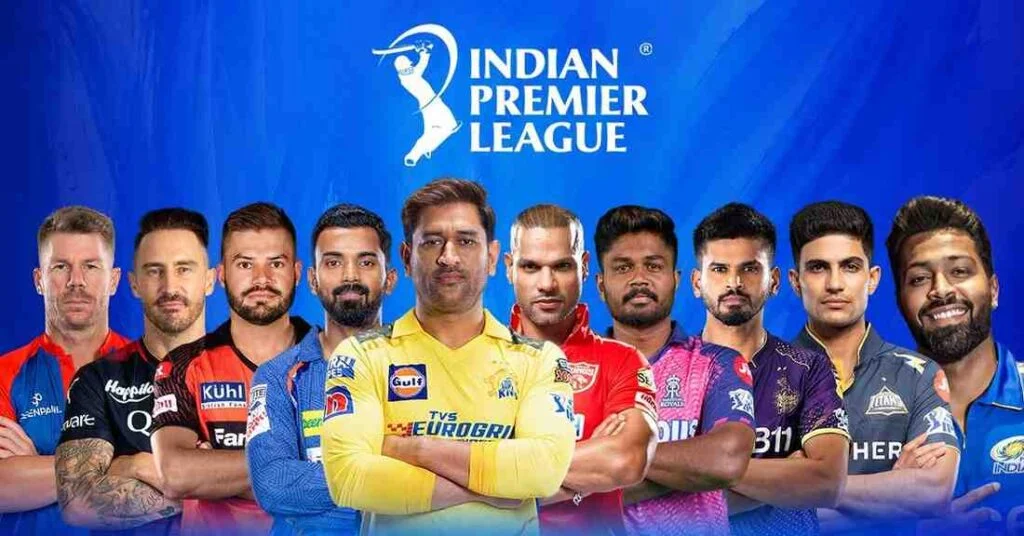
Conclusion – The Enduring Legacy and Future Trajectory of Cricket’s Greatest League
The Indian Premier League stands as the world’s leading T20 cricket entertainment league, having transformed from an experimental concept in 2008 into a global sporting phenomenon that captures the imagination of millions across every continent. This remarkable journey from uncertainty to dominance represents one of the most successful league launches in professional sports history, offering valuable lessons about innovation, audience understanding, and the power of embracing change rather than resisting it.
The league’s ability to evolve while maintaining core values of competitive excellence and entertainment value ensures its continued relevance in rapidly changing media landscapes. Unlike traditional sporting competitions that sometimes struggle to adapt to shifting audience preferences, the IPL has demonstrated remarkable agility in responding to technological disruption, changing viewer habits, and emerging opportunities for fan engagement. This adaptability, embedded in the tournament’s DNA since inception, positions it strongly for continued growth and influence.
Evolution of Team Strategies and Tactics
Throughout this comprehensive exploration of the IPL, we have witnessed how team strategies have evolved dramatically across nearly two decades of competition. Early seasons emphasized individual brilliance and star power, with franchises relying heavily on established international names to deliver match-winning performances. The Rajasthan Royals’ fairytale victory in 2008, achieved with relatively modest resources compared to wealthier franchises, demonstrated that collective effort and tactical intelligence could overcome squads with greater individual star power.
As the league matured, data analytics transformed how teams approached recruitment, match preparation, and in-game decision-making. Franchises began employing full-time analysts who dissected every aspect of player performance, identifying matchup advantages that human observation alone might miss. The Mumbai Indians dynasty, claiming five championships across different eras, exemplified how consistent processes, player development, and strategic clarity produce sustained success regardless of personnel changes.
The introduction of the impact player rule in 2023 added another strategic layer, requiring teams to think differently about squad composition and substitution timing. This innovation, unique among major T20 leagues, demonstrated the IPL’s willingness to experiment with format changes that enhance strategic depth while maintaining fan engagement. Teams now name four substitute options at the toss, creating chess-match scenarios where captains must anticipate how matches might unfold hours before the first ball is bowled.
Fan Experience Transformation
The Indian Premier League has fundamentally transformed how cricket fans experience the sport, moving beyond passive viewership toward active participation and engagement. Stadium atmospheres have evolved from traditional cricket crowds to entertainment spectacles featuring music, dance, and celebrity appearances that appeal to families and younger audiences. The league recognized early that competing for attention in the modern entertainment landscape required more than just high-quality cricket—it demanded a complete package that satisfied diverse audience expectations.
Broadcast presentation has undergone similar transformation, with production values matching the biggest entertainment events globally. Multiple camera angles, ultra-motion replays, and sophisticated graphics help viewers appreciate the technical excellence on display while maintaining accessibility for those newer to cricket. The integration of player microphones and dugout cameras provides intimate access previously unavailable to television audiences, creating connections between fans and players that transcend traditional boundaries.
Digital platforms have extended the IPL experience beyond match days, with official apps and social media channels delivering content throughout the year. Fans follow their favorite players’ training regimens, engage in fantasy cricket competitions, and participate in online communities that discuss team strategies and player performances. This 365-day engagement model ensures that the IPL remains relevant even during the off-season, maintaining emotional connections that translate into viewership when the tournament returns.
Economic Impact and Franchise Valuation
The economic transformation wrought by the IPL extends far beyond cricket, creating thousands of jobs and generating significant economic activity across host cities. Match days bring visitors who fill hotels, restaurants, and transportation services, providing substantial boosts to local economies. The tournament has become a major contributor to India’s sports tourism industry, attracting international visitors who combine match attendance with broader travel experiences.
Franchise valuations have skyrocketed since the league’s inception, with teams now worth hundreds of millions of dollars. The addition of two new franchises in 2022, purchased for astronomical sums, demonstrated continued investor confidence in the IPL’s growth trajectory. These valuations reflect not only broadcasting revenue but also the immense marketing platforms that franchises provide for corporate partners seeking access to India’s consumer market.
Sponsorship revenues have grown exponentially, with title sponsors paying premiums for association with the league’s positive image and massive reach. The IPL’s ability to attract partners from beyond traditional cricket categories—technology companies, automotive manufacturers, financial services providers—demonstrates its evolution into a mainstream entertainment property that transcends sporting boundaries.
Broadcasting and Media Rights Evolution
The staggering growth in broadcasting rights values tells the story of the IPL’s commercial success more vividly than any other metric. From modest beginnings in 2008, media rights have escalated to billions of dollars, reflecting the league’s position as must-have content for networks and streaming platforms competing in India’s crowded media landscape. Digital rights, sold separately from television rights in recent cycles, have attracted bids from global technology companies seeking to establish footholds in India’s rapidly growing streaming market.
International broadcast distribution has expanded dramatically, with IPL matches now available in more than 100 countries across every continent. This global reach introduces cricket to audiences who might otherwise never encounter the sport, potentially building future fan bases for the broader game. The league has become cricket’s most effective marketing tool, showcasing the sport’s excitement and accessibility to viewers accustomed to fast-paced entertainment options.
International Influence and Global Cricket Calendar
The IPL’s influence on the global cricket calendar cannot be overstated. National boards now schedule bilateral series around the tournament, recognizing that player availability for franchise cricket has become essential for maintaining relationships with their top stars. The league’s six-week window commands attention from cricket administrators worldwide, who must balance domestic priorities against the reality that the IPL represents the pinnacle of earning potential for professional cricketers.
International players consistently rank IPL participation among their career highlights, with the experience of competing alongside and against the world’s best proving invaluable for development. Young cricketers from associate nations gain exposure to elite standards that accelerate their growth, while established stars refresh their skills through exposure to different conditions and tactical approaches. This cross-pollination of ideas benefits the global game, with innovations developed in the IPL gradually filtering into international cricket.
The league has also inspired franchise T20 competitions worldwide, with boards in every major cricketing nation launching their own versions. While none have matched the IPL’s scale or commercial success, these leagues demonstrate the template’s replicability and the enduring appeal of the franchise model. The IPL’s willingness to share knowledge and expertise with emerging leagues reflects confidence in its market position and genuine commitment to growing the global game.
Youth Cricket Talent Development
Youth cricket talent development remains central to the Indian Premier League mission, with the tournament providing platforms for uncapped players to showcase abilities alongside established stars. The pipeline from grassroots cricket to IPL stardom inspires millions of young Indians to pursue the game seriously, knowing that exceptional performance can lead to life-changing opportunities. Scouts from every franchise crisscross the country attending age-group tournaments, searching for the next generation of talent.
The IPL’s investment in development extends beyond match opportunities to include coaching, facilities, and exposure to high-performance environments. Young players drafted into franchises receive mentorship from international legends, access to world-class training facilities, and experience competing under pressure that accelerates their development. Many credit their IPL experiences with preparing them for international cricket, having already faced the world’s best bowlers and batsmen in high-stakes situations.
The league’s impact on Indian cricket specifically has been profound, with the national team’s depth and quality improving markedly since the IPL’s inception. Players who might previously have remained anonymous outside their home states now receive national recognition through franchise performances, creating selection debates that reflect genuine competition for places. The bench strength that enables India to field competitive teams across formats owes much to the opportunities and exposure provided by the IPL.
Technology Integration and Innovation
Future IPL development will focus on technology integration that enhances fan experiences through augmented reality, personalized content delivery, and interactive engagement platforms. The league is exploring ways to bring viewers closer to the action through immersive technologies that transcend traditional broadcast limitations. Virtual reality experiences that place fans virtually in stadiums, augmented reality overlays providing real-time statistics, and personalized camera angles controlled by viewers represent the next frontier in sports viewing.
Data analytics will continue evolving, with artificial intelligence and machine learning providing increasingly sophisticated insights into player performance and match strategy. Teams already employ data scientists who analyze millions of data points to identify optimal matchups and predict outcomes. Future applications might include real-time tactical recommendations delivered to captains and coaches, further blurring the line between human judgment and computational analysis.
Player tracking technology will provide unprecedented insights into athletic performance, helping teams manage workloads and reduce injury risk while maximizing on-field impact. The same systems that enhance tactical preparation will also generate content for broadcast, helping viewers appreciate the athletic demands of elite cricket through metrics like sprint speeds, distance covered, and bowling workload.
Global Sports Marketing Expansion
Global sports marketing opportunities continue expanding as the Indian Premier League attracts partners from beyond cricket’s traditional boundaries. International brands recognize the value of associating with a property that delivers massive engaged audiences across the world’s fastest-growing major economy. The league’s demographic profile, skewing young and increasingly affluent, aligns perfectly with the target audiences that global corporations prioritize.
Tourism boards from cricket-playing nations now partner with IPL franchises to promote travel destinations, recognizing that fan affinity for players extends to interest in their home countries. Cultural exchanges facilitated through the league introduce Indian audiences to international destinations while providing foreign fans with windows into Indian culture through cricket. These soft power benefits extend the IPL’s influence beyond sport into diplomacy and international relations.
The league’s fashion and lifestyle influence has grown substantially, with team merchandise becoming style statements beyond match days. Collaborations with international brands produce collections that appeal to fashion-conscious consumers who may not even follow cricket closely but appreciate the cultural cachet associated with IPL affiliations. This mainstreaming of cricket culture represents the league’s most significant achievement in expanding its audience beyond traditional boundaries.
Women’s Premier League Synergy
The successful launch of the Women’s Premier League represents the IPL’s most significant expansion initiative, bringing the franchise model to women’s cricket with immediate impact. The WPL has provided female cricketers with financial security and professional opportunities previously unavailable, while inspiring a new generation of girls to pursue cricket seriously. The synergy between the two leagues creates year-round engagement opportunities for fans while maximizing utilization of infrastructure and operational expertise.
Cross-promotion between the IPL and WPL benefits both properties, with men’s franchise fans naturally extending interest to women’s teams bearing the same colors and representing the same cities. Star players from the WPL have become household names through exposure alongside their male counterparts, accelerating the growth of women’s cricket in India. This virtuous cycle demonstrates how established properties can nurture new initiatives while strengthening their own positions.
The WPL’s success has implications beyond India, providing a model that other boards can adapt for developing women’s franchise cricket. International players value the opportunity to compete in a professionally run league with substantial commercial backing, raising standards across the global women’s game. The IPL’s commitment to women’s cricket reflects understanding that the league’s future growth depends on expanding the audience beyond traditional demographics.
Environmental and Social Responsibility
As the IPL has grown, so too has awareness of its environmental footprint and social responsibilities. Major matches generate substantial waste and carbon emissions, prompting franchises and the league to implement sustainability initiatives. Solar-powered stadiums, waste management programs, and carbon offsetting demonstrate commitment to environmental stewardship that resonates with environmentally conscious fans.
Social responsibility programs leverage cricket’s popularity to address important issues including education, health awareness, and social inclusion. Franchises operate foundation arms that implement community programs in their home cities, building goodwill that strengthens local connections. Players participate in awareness campaigns addressing issues from mental health to environmental conservation, using their platforms for positive impact.
The league’s commitment to diversity and inclusion extends beyond rhetoric to concrete action, with programs designed to make cricket accessible to disadvantaged communities. Talent identification initiatives search beyond traditional cricket-playing schools and clubs, discovering prospects who might otherwise never receive opportunities. This commitment to broadening cricket’s base ensures the sport’s long-term health while fulfilling social obligations that accompany commercial success.
The IPL’s Place in Cricket History
As the league approaches two decades of existence, its position as cricket’s premier franchise competition appears secure. The combination of Indian passion for cricket, professional league management, and global player participation creates a formula that other sports leagues attempt to replicate but few match. The Indian Premier League is not merely successful—it has become essential to how modern cricket operates and how fans experience the game.
Historians will likely identify the IPL’s launch in 2008 as a watershed moment in cricket’s evolution, comparable to the introduction of limited-overs cricket in the 1960s or the first Test match in 1877. The league changed not just how cricket is played but how it is consumed, financed, and understood. Its influence extends beyond the boundaries of the sport itself, affecting media business models, entertainment preferences, and even national identity in twenty-first century India.
For those seeking to understand twenty-first century cricket, the IPL provides the perfect lens. It showcases the sport at its most dynamic, features the world’s best players competing at peak intensity, and demonstrates how traditional games can adapt to contemporary audience expectations. The tournament represents cricket’s future while honoring the sport’s rich traditions, creating a product that satisfies purists and entertains casual observers alike.
Looking Ahead: The Next Decade
The next decade will likely see continued IPL expansion, whether through additional franchises, extended schedules, or enhanced international presence. Speculation about overseas legs, perhaps in markets with significant Indian diaspora populations, suggests ambitions beyond India’s borders. Such expansion would require navigating complex logistical and regulatory challenges but could significantly increase the league’s global footprint.
Technological innovation will accelerate, with artificial intelligence transforming everything from player recruitment to broadcast production. Virtual and augmented reality may eventually allow fans to experience matches as if present in stadiums, while personalized content delivery ensures every viewer receives tailored experiences matching their preferences. The boundaries between physical attendance and remote viewing will continue blurring.
Player development pathways will become increasingly sophisticated, with academies operated by franchises identifying and nurturing talent from increasingly young ages. The gap between grassroots cricket and professional contracts may narrow as investment in development infrastructure grows. India’s cricket talent pool, already the world’s deepest, will likely expand further through these investments.
Commercial growth appears inevitable given India’s economic trajectory and cricket’s cultural centrality. Broadcasting rights will continue increasing, sponsorship values will rise, and new revenue streams will emerge through digital innovation. The financial foundation supporting the league seems secure for the foreseeable future, enabling continued investment in quality.
Final Reflections
Following IPL match schedules, tournament statistics, and performance data helps fans understand modern cricket evolution while deepening appreciation for the skills required to excel at the highest level. The stories that emerge each season—of underdogs triumphing, veterans defying age, youngsters announcing themselves on the biggest stage—create narratives that resonate beyond sport. These human dramas, unfolding against the backdrop of elite athletic competition, explain why the IPL captures such intense devotion.
The IPL story continues evolving, with each season adding new chapters to a remarkable narrative of sporting excellence. Records will be broken, new stars will emerge, and rivalries will intensify as the league enters its third decade. The fundamental elements that drove initial success—passionate fans, world-class players, innovative thinking—remain intact, suggesting the best may yet be ahead.
For the millions who follow the league religiously, the IPL represents more than entertainment—it provides community, identity, and connection in an increasingly fragmented world. Families gather to watch matches, colleagues debate team selections, and strangers bond over shared allegiances. This social fabric, woven through shared experience, may represent the league’s most significant achievement.
The Indian Premier League has earned its place among the world’s great sporting properties through relentless focus on quality, innovation, and audience understanding. Its continued success seems assured not by complacency but by the same restless energy that drove its creation. As long as cricket matters in India—and it will matter for generations to come—the IPL will remain cricket’s brightest stage, showcasing the sport at its thrilling best.
This comprehensive guide to the Indian Premier League will be updated regularly to reflect the latest developments, records, and tournament information as the 2026 season approaches and unfolds.